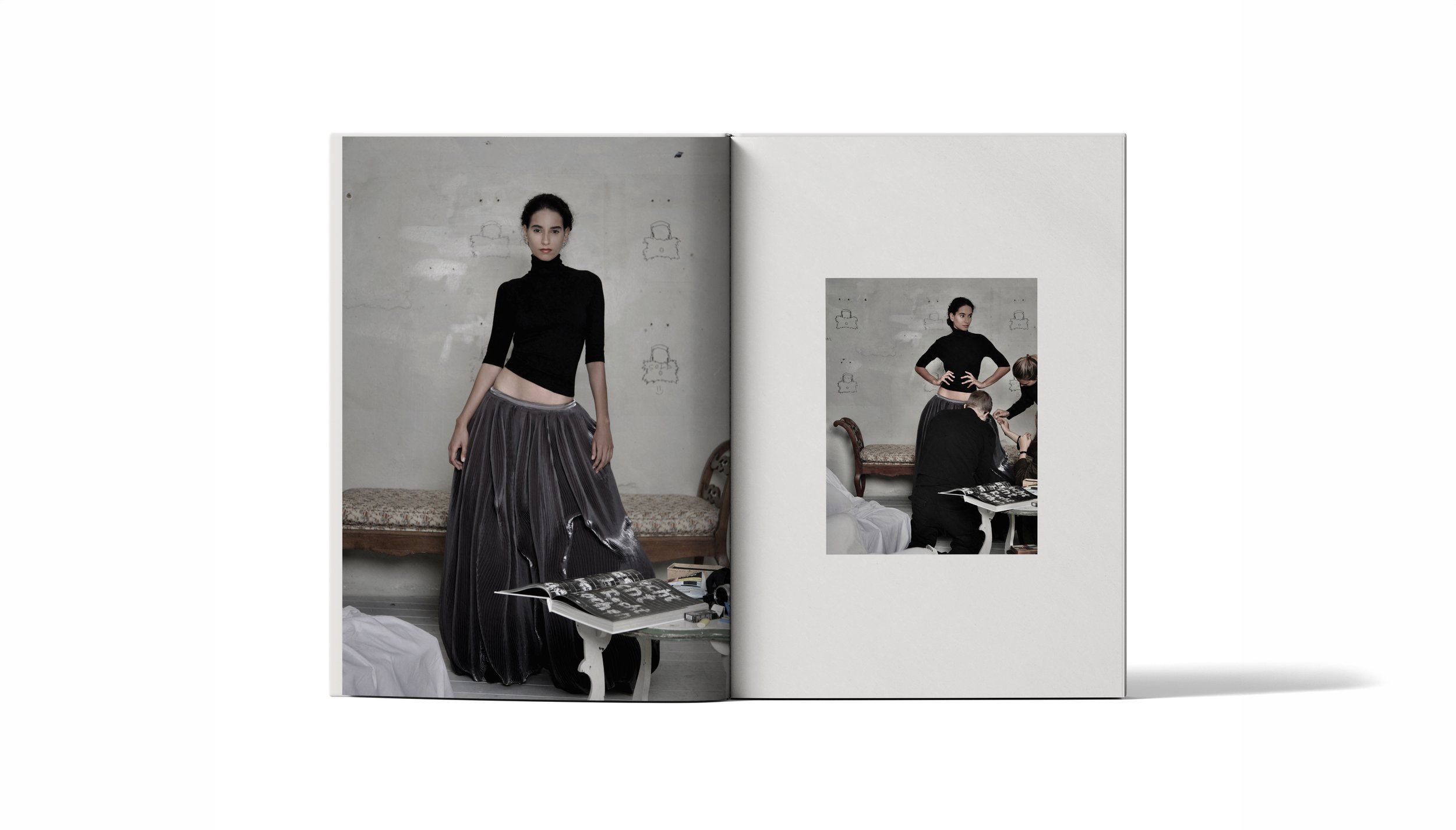
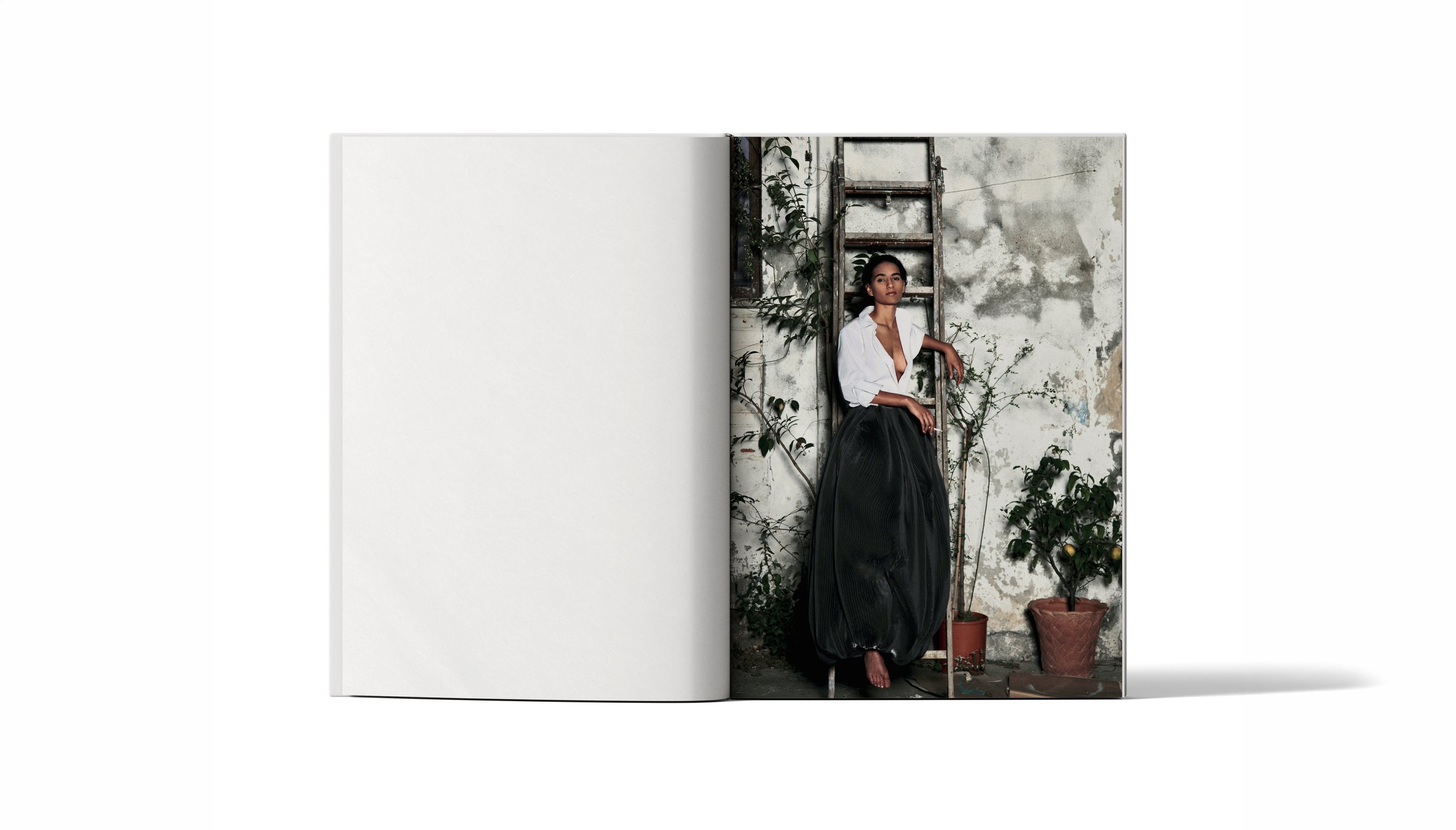
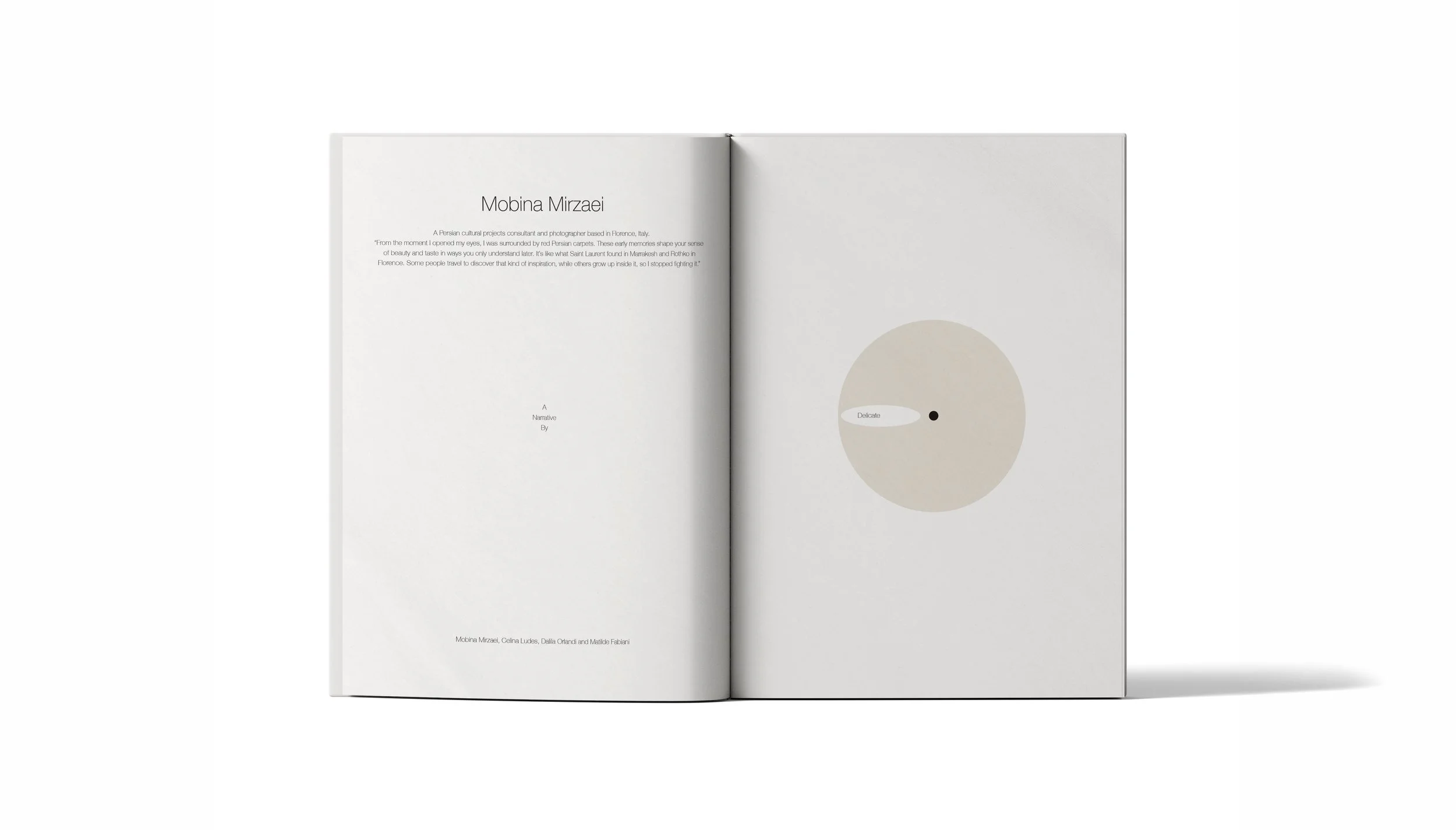
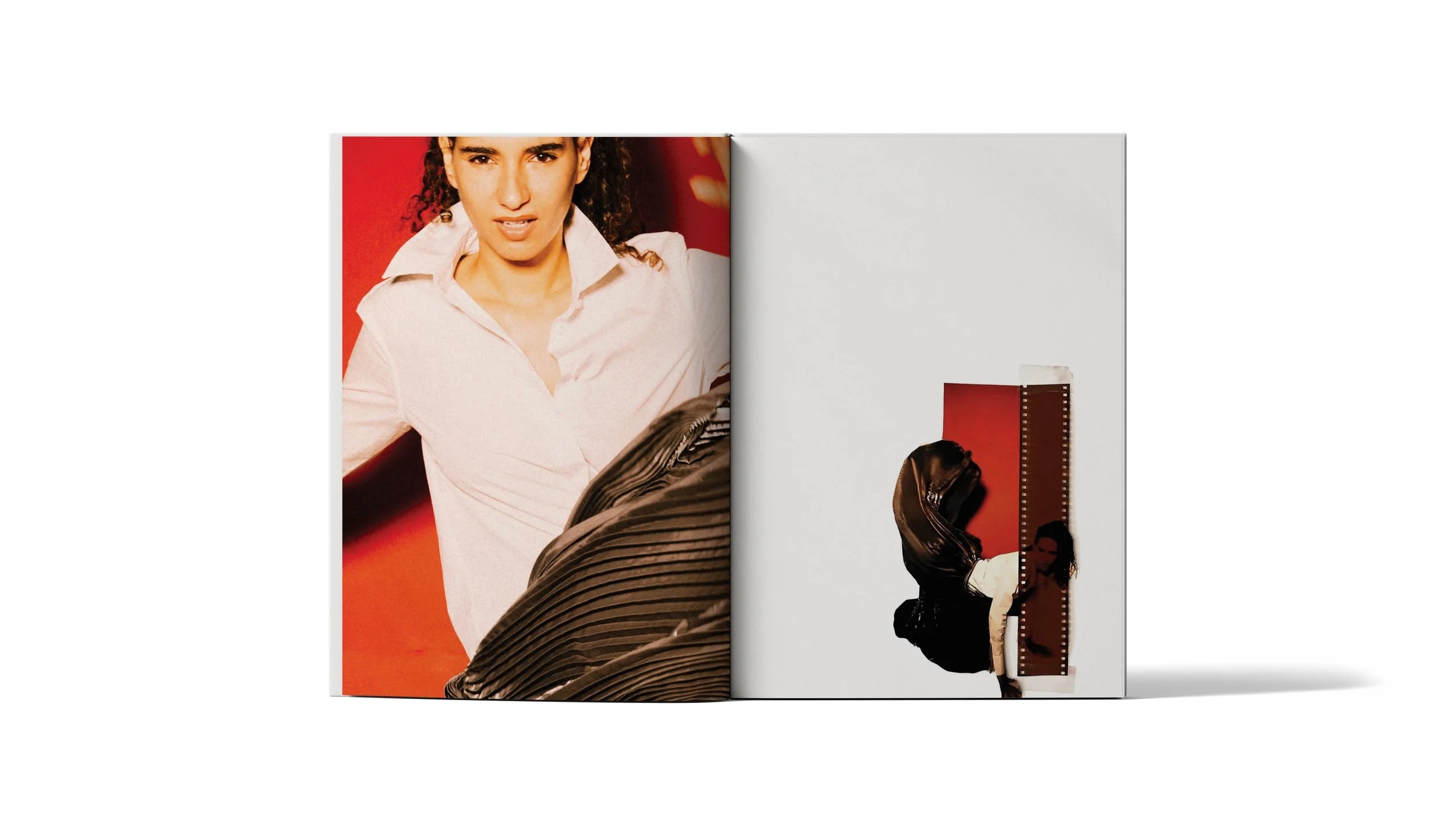
on seeing
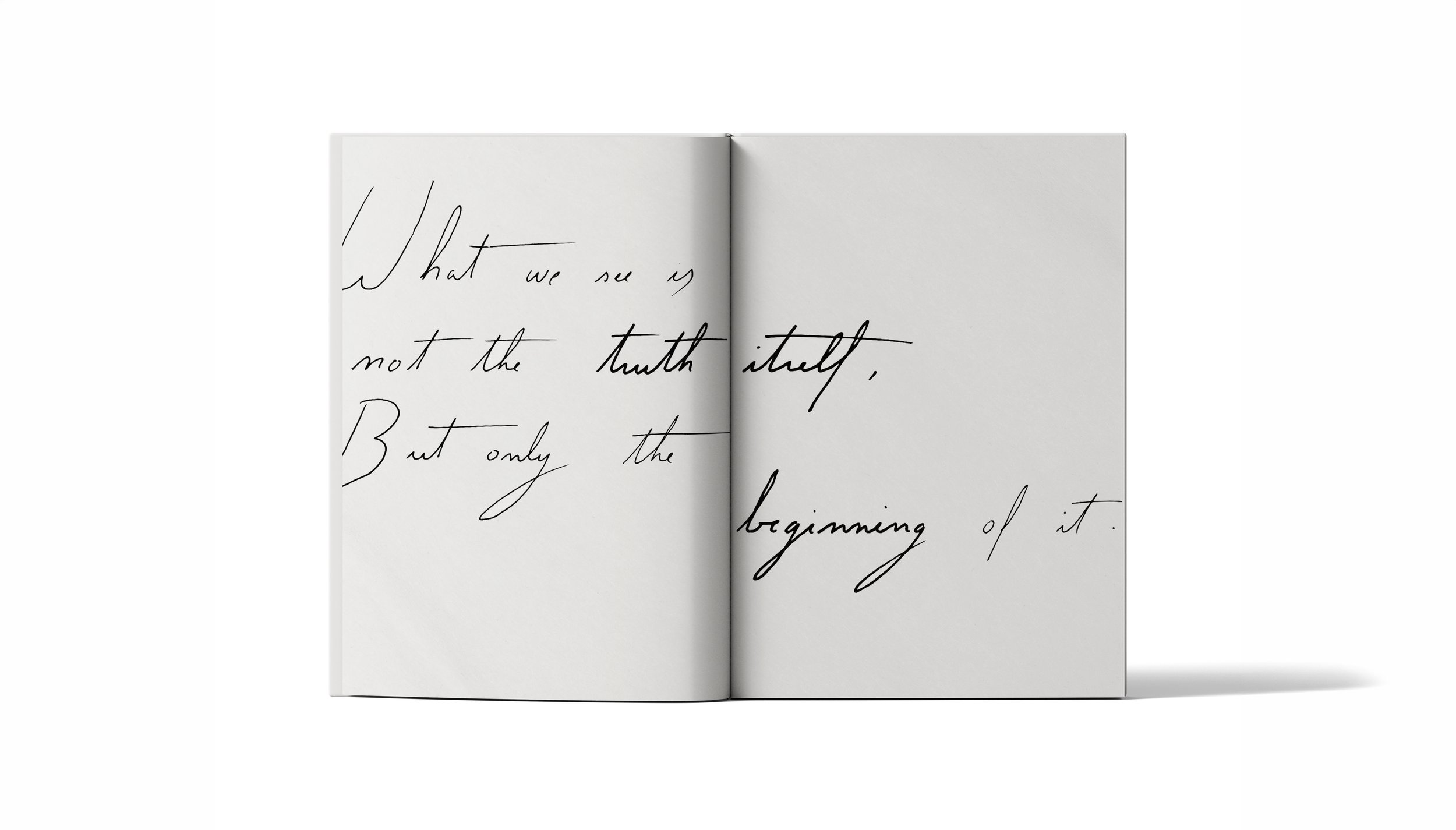
this is not about creating something new, but about creating a new way of seeing.

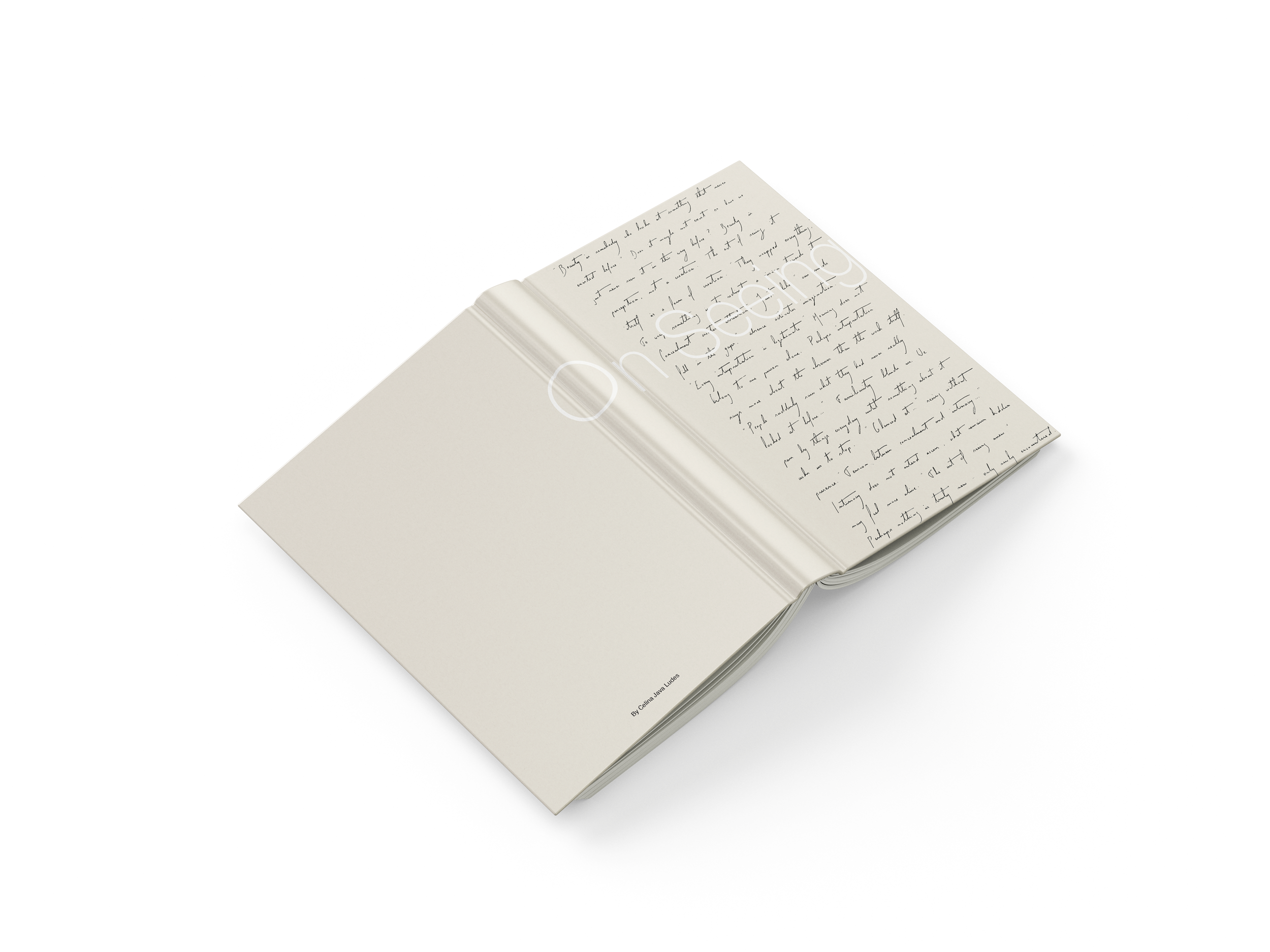
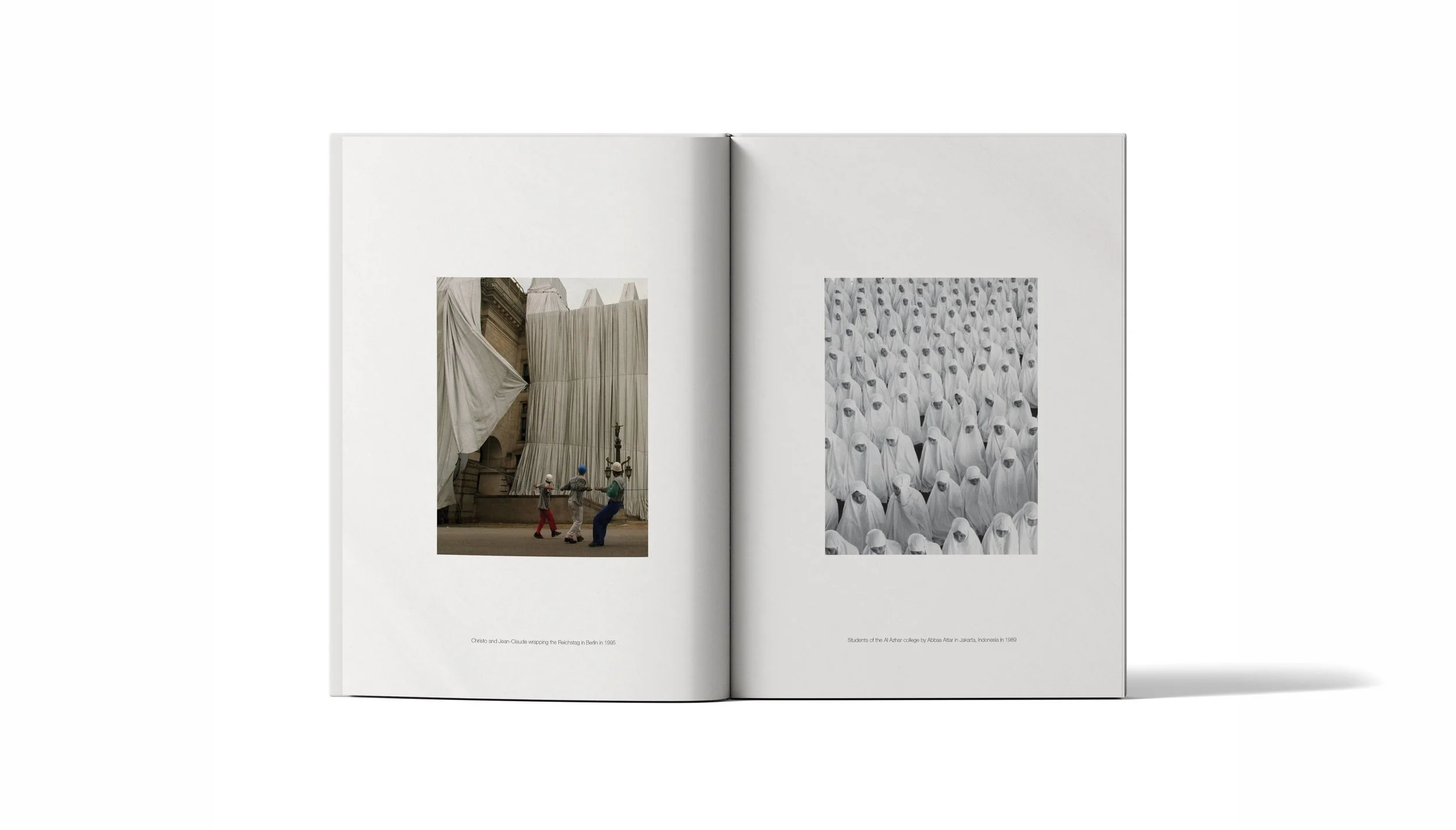
on seeing emerges from a quiet resistance to the relentless pursuit of newness within the fashion system. inspired by dieter rams' philosophy of reengineering what already exists and designing "from the inside to the outside," the project proposes that originality is not inherent in the object itself, but in the moment of its encounter. through presence, context and perception, what already exists can continually be experienced anew.

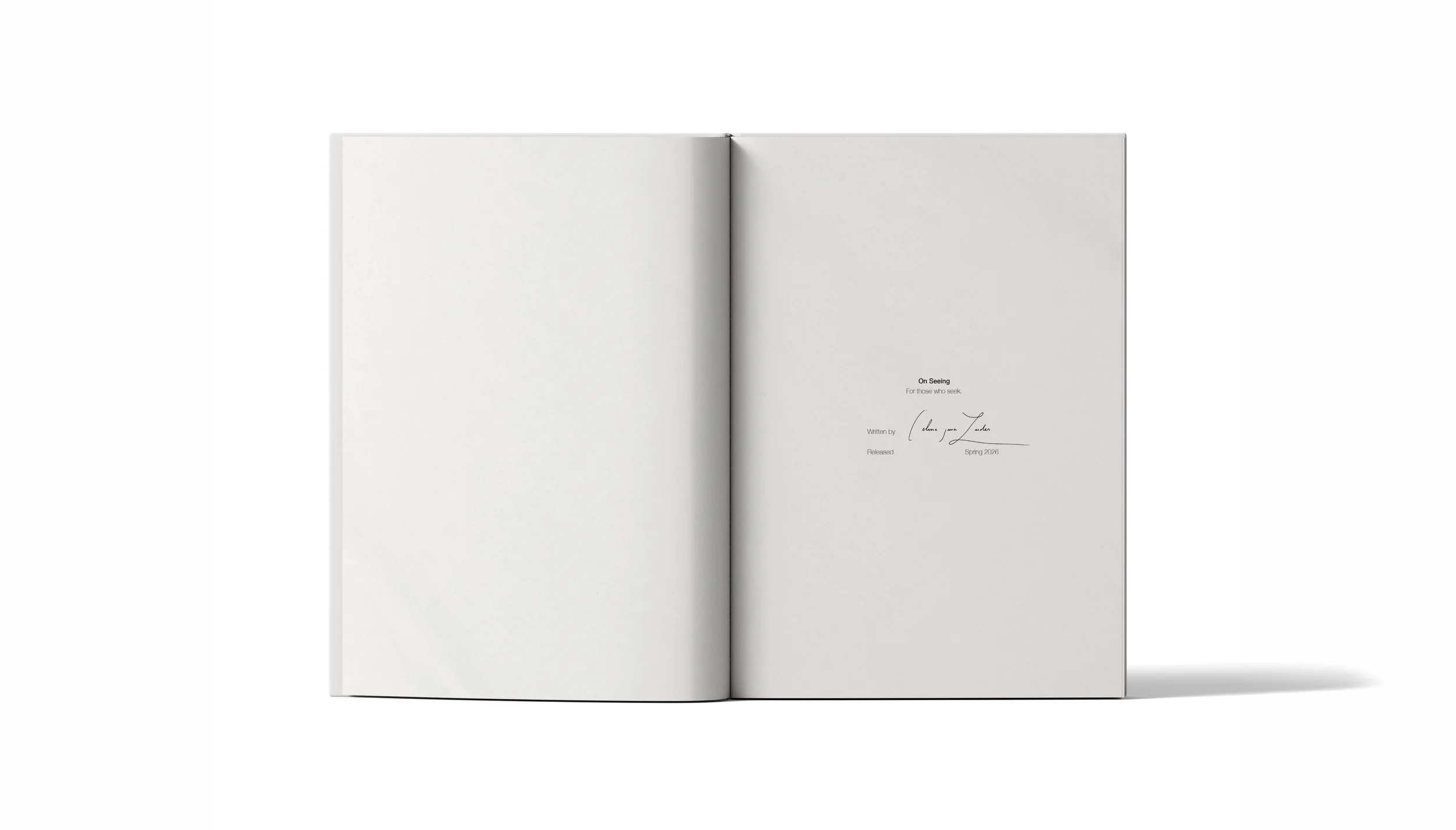
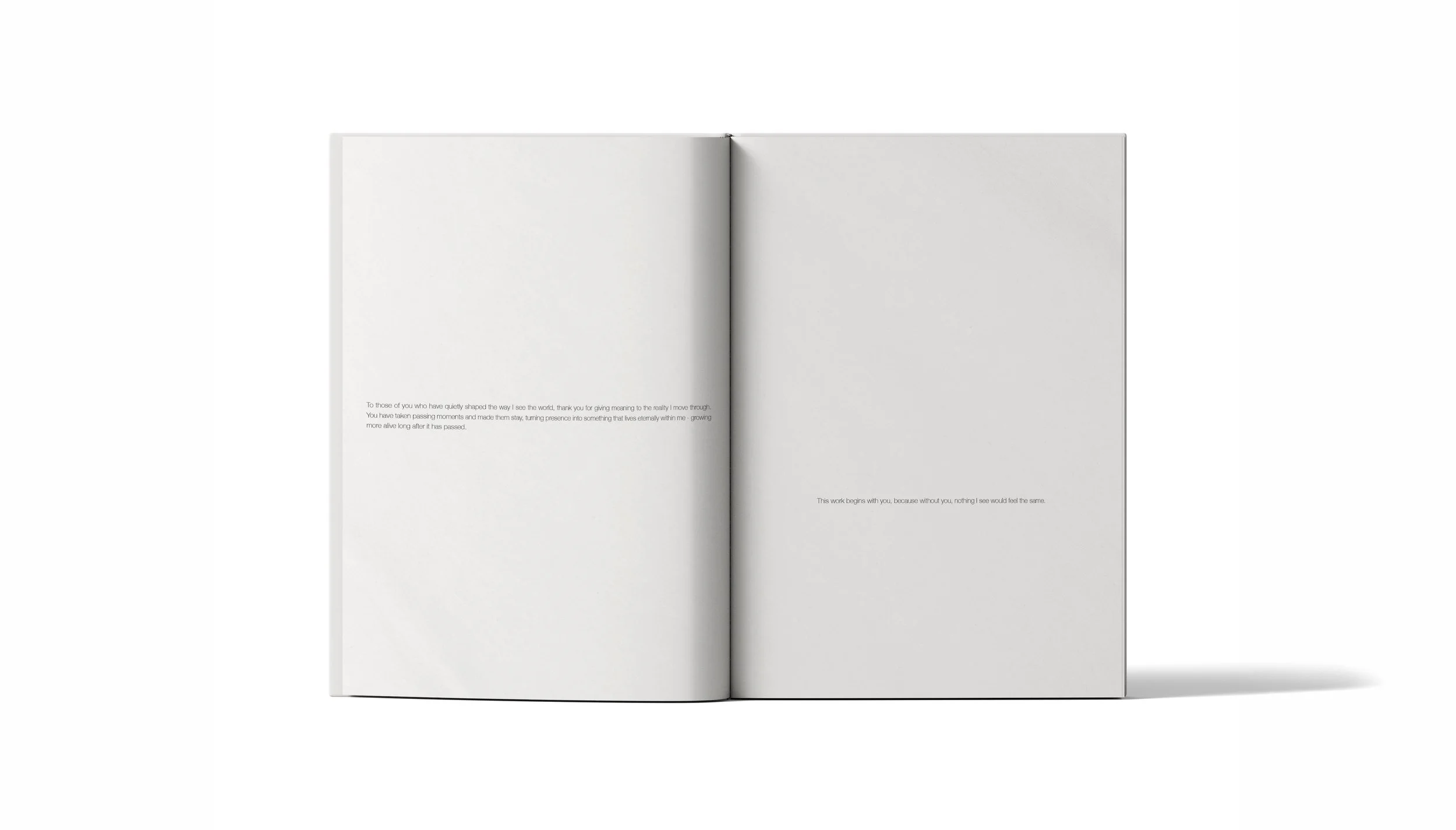
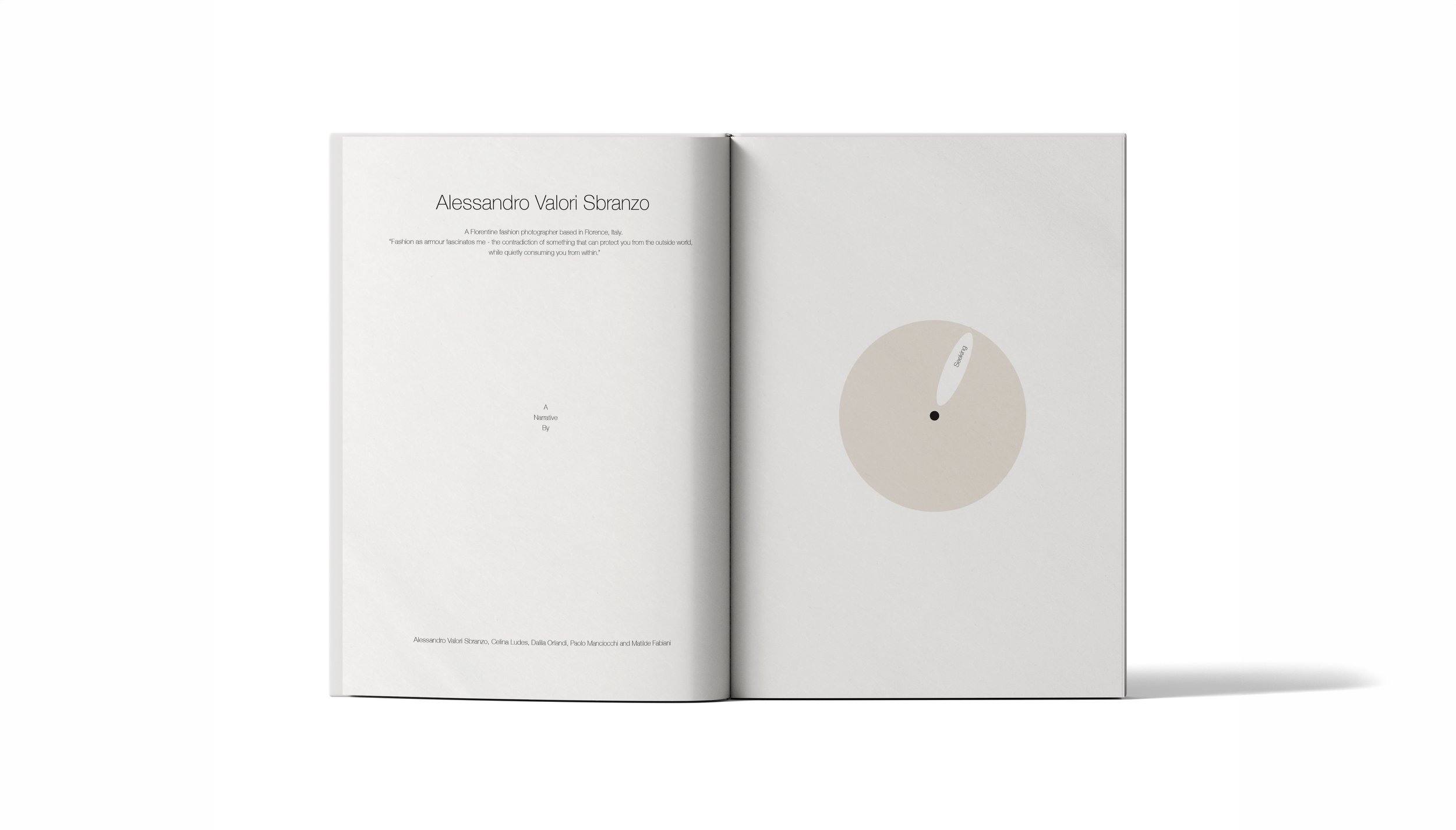
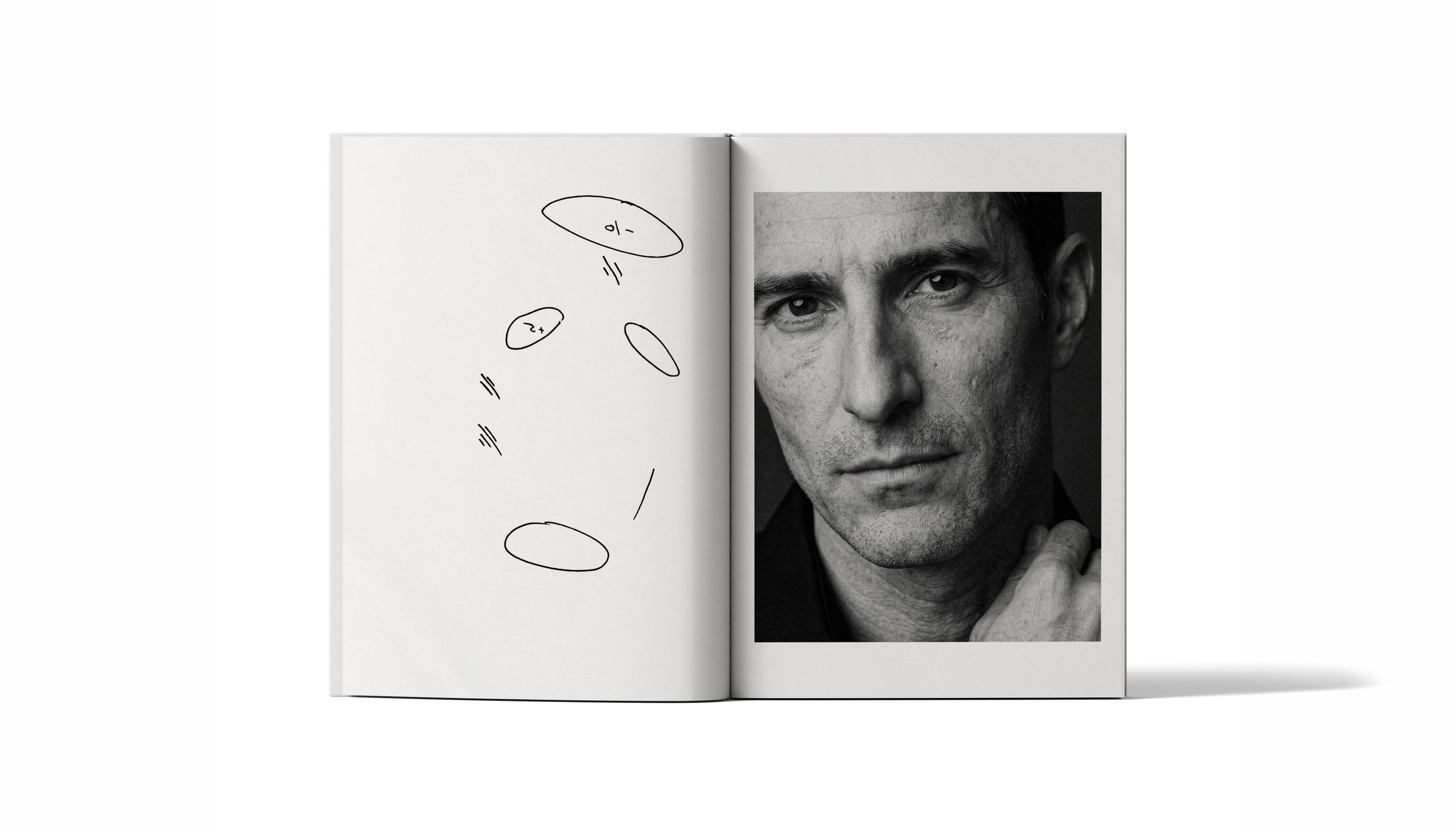
taking the form of a manifesto book, on seeing challenges the traditional notion of a fixed publication. rather than delivering a singular narrative, it becomes a mutable artefact where imagery, text and physical interaction resist definitive interpretation. the reader is invited to become an active participant, constructing personal meaning through their own memories, emotions and experiences. at its heart, on seeing suggests that what we see is never fixed but continuously rewritten by the individual encountering it.

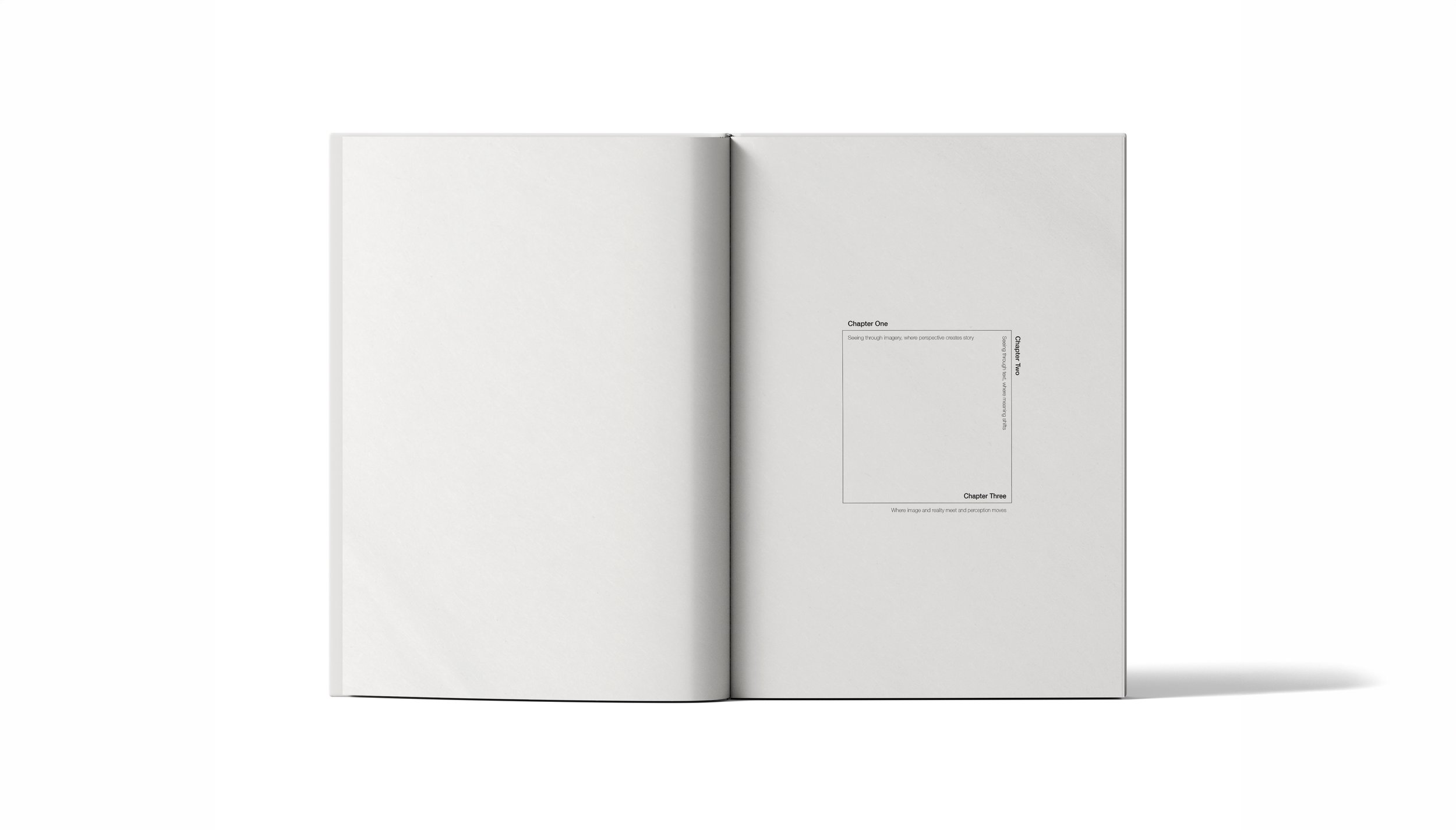
on seeing is divided into three chapters,

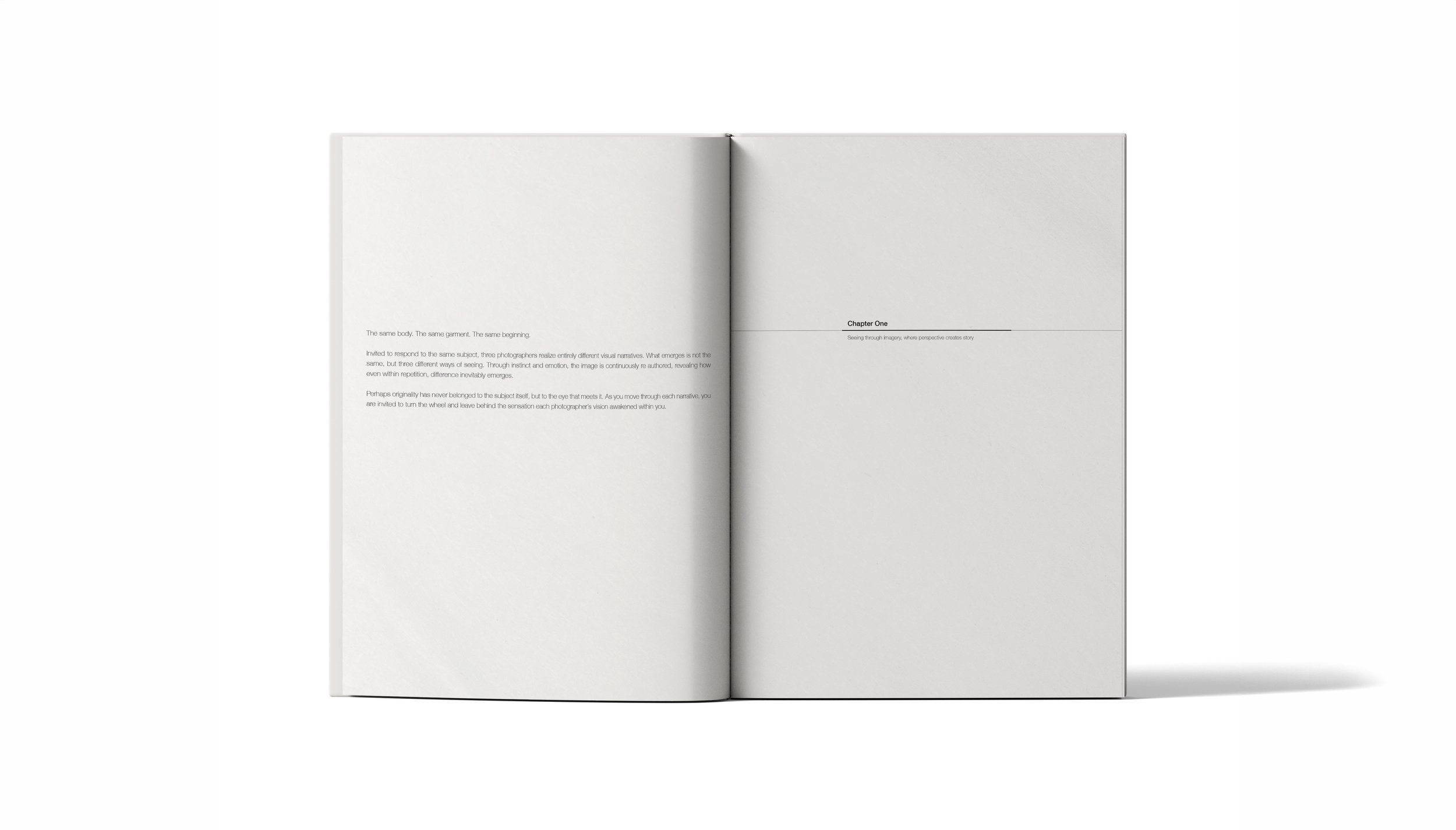
chapter one, seeing through imagery, where perspective creates story,

chapter two, seeing through text, where meaning shifts,

and chapter three, where image and reality meet and perception moves.

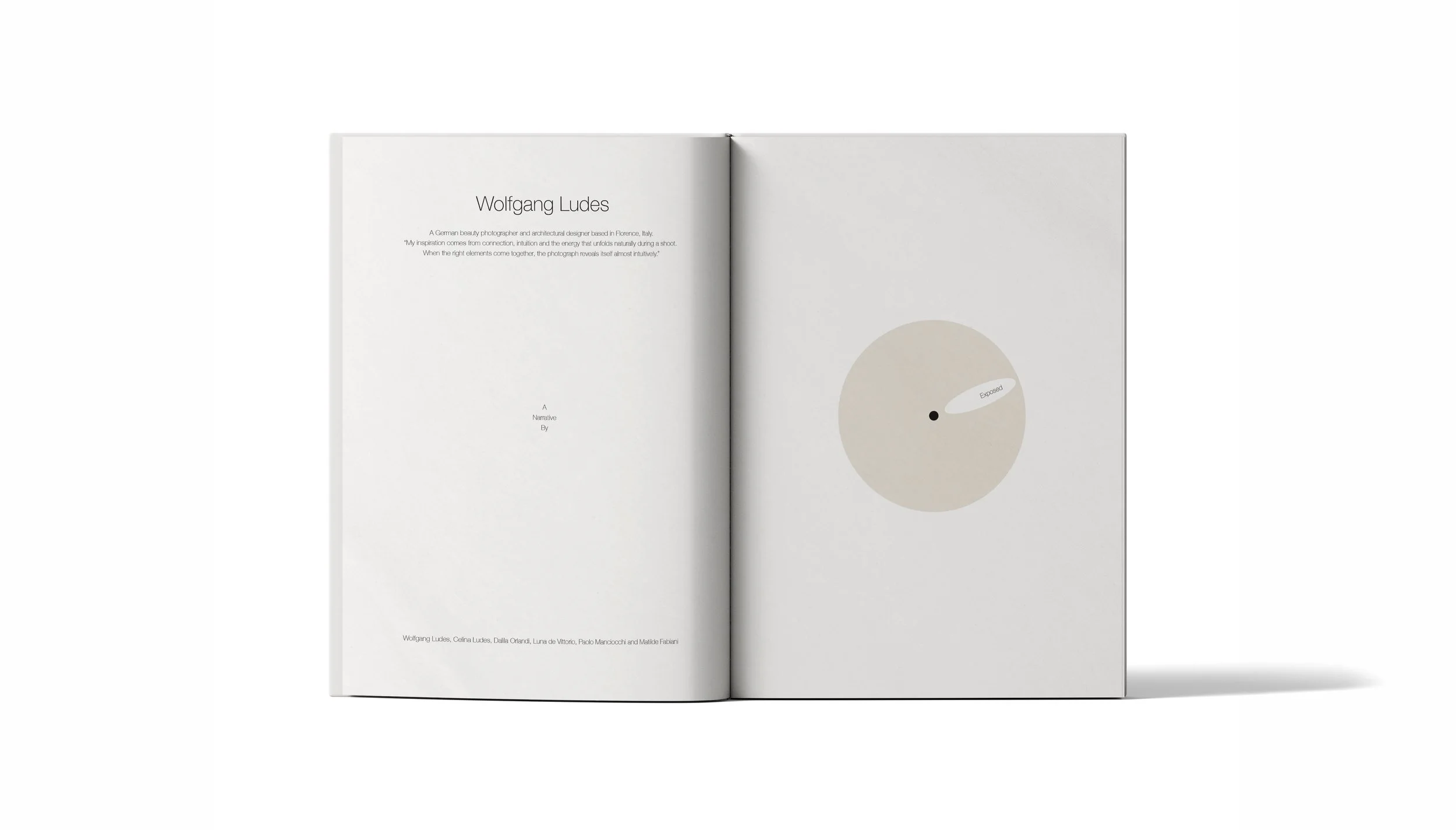
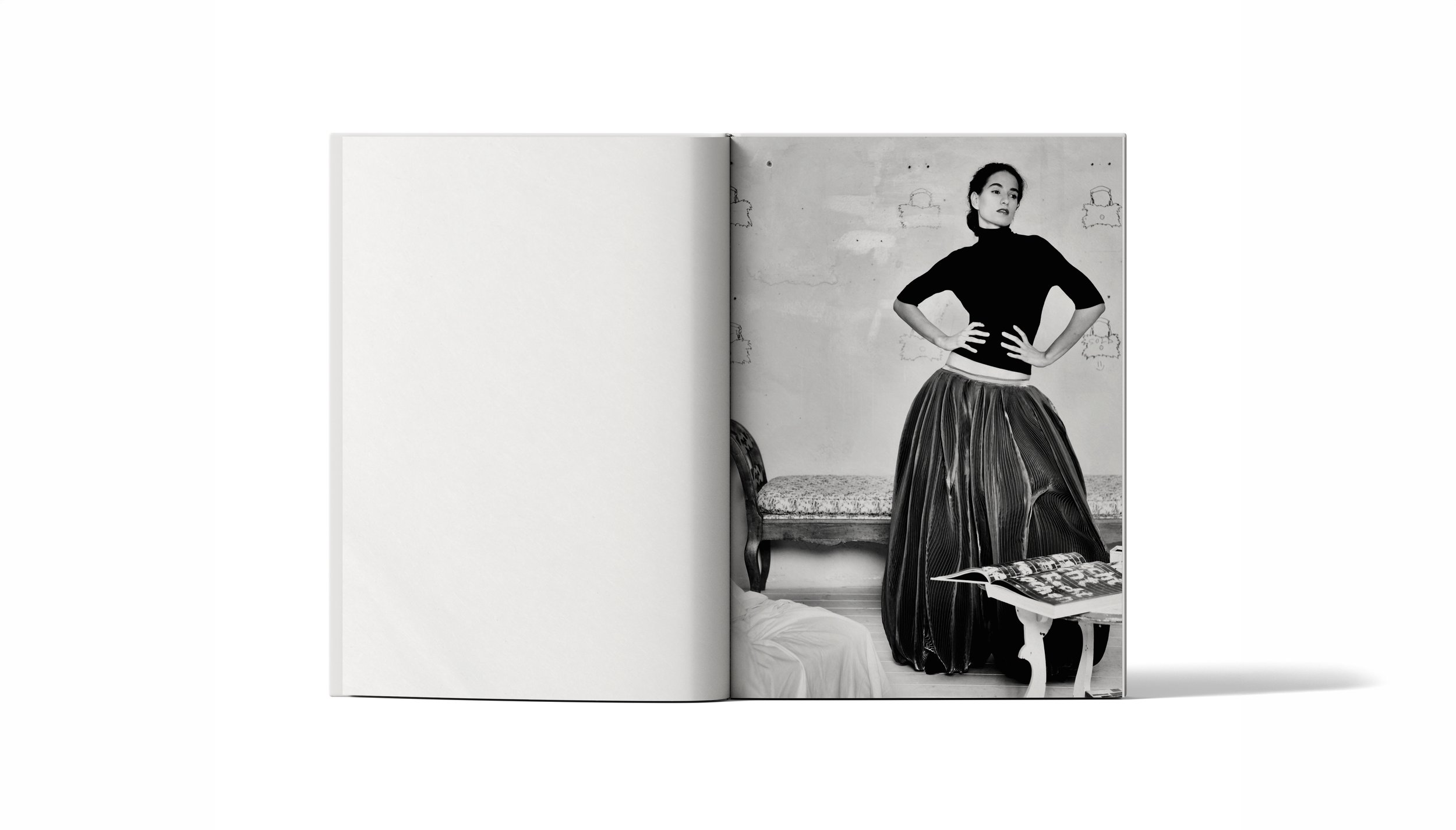
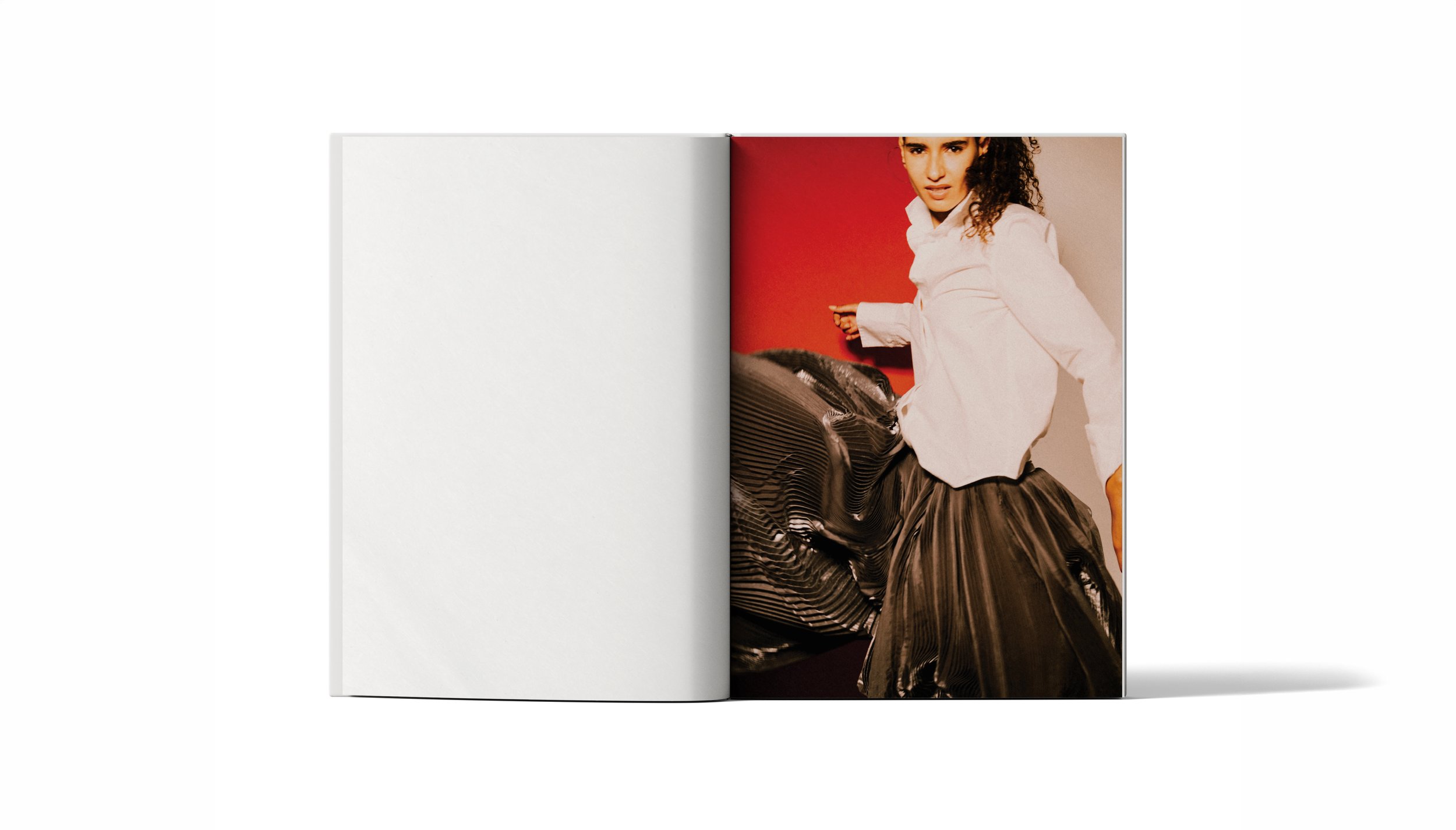
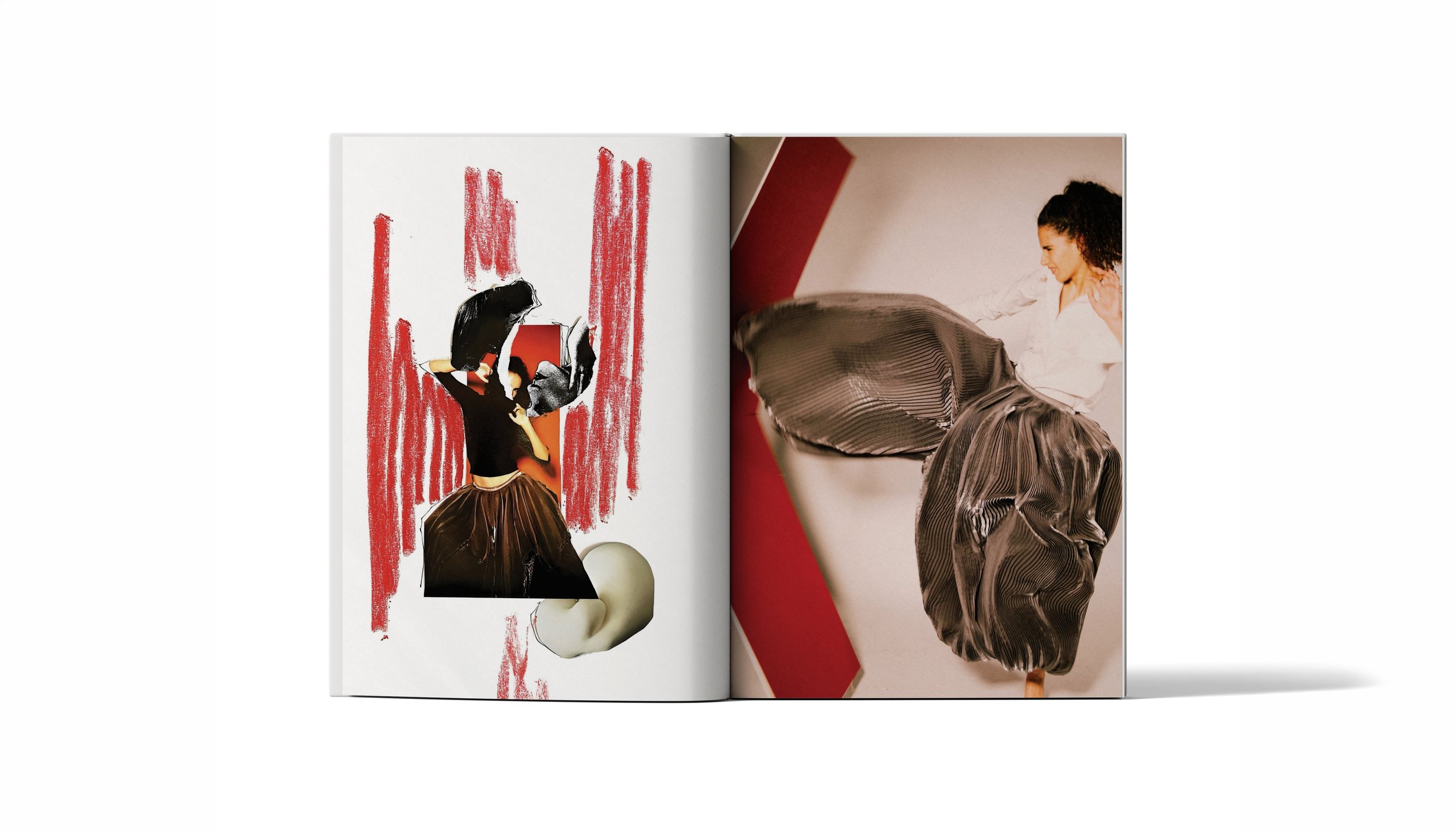
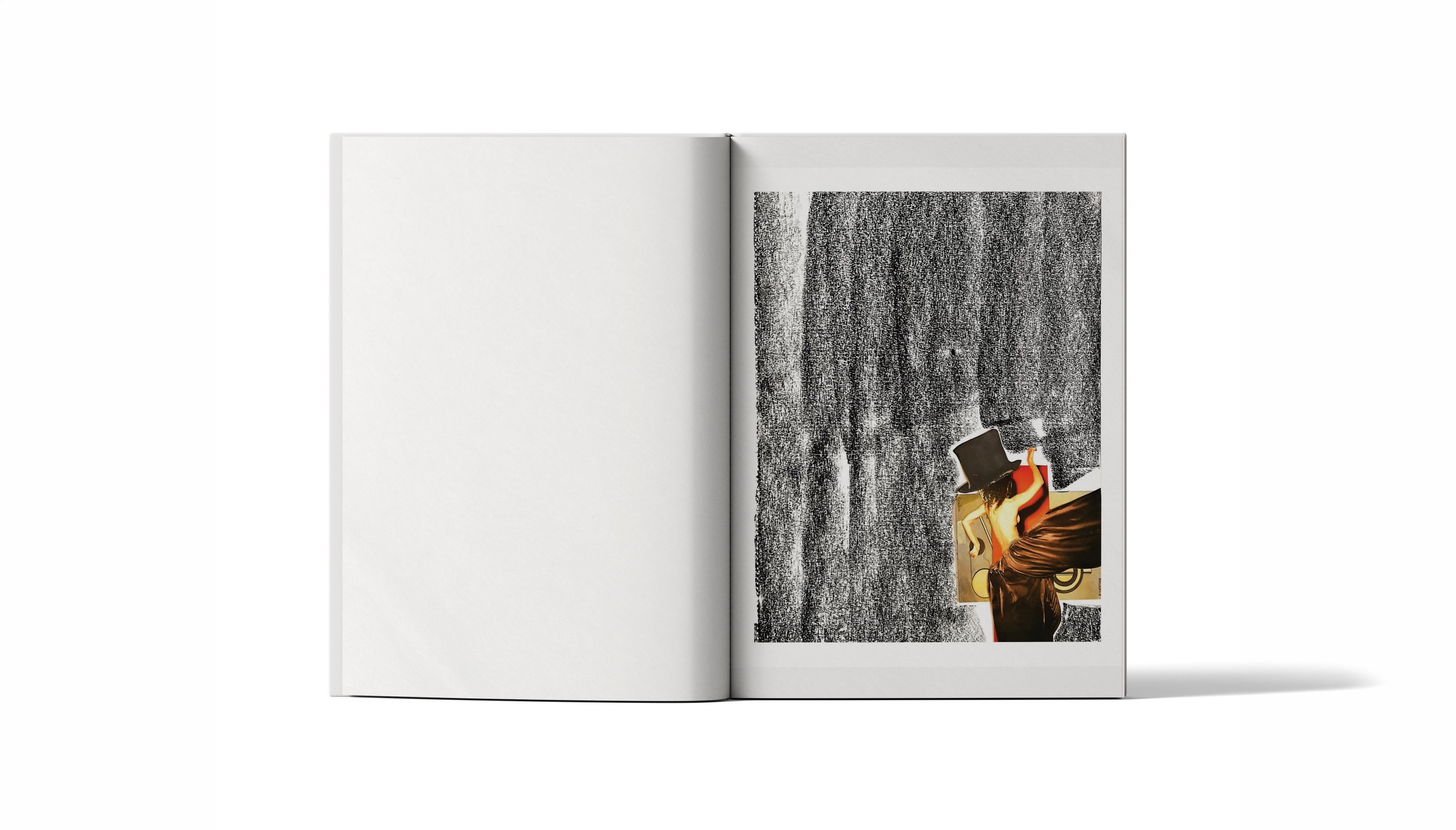
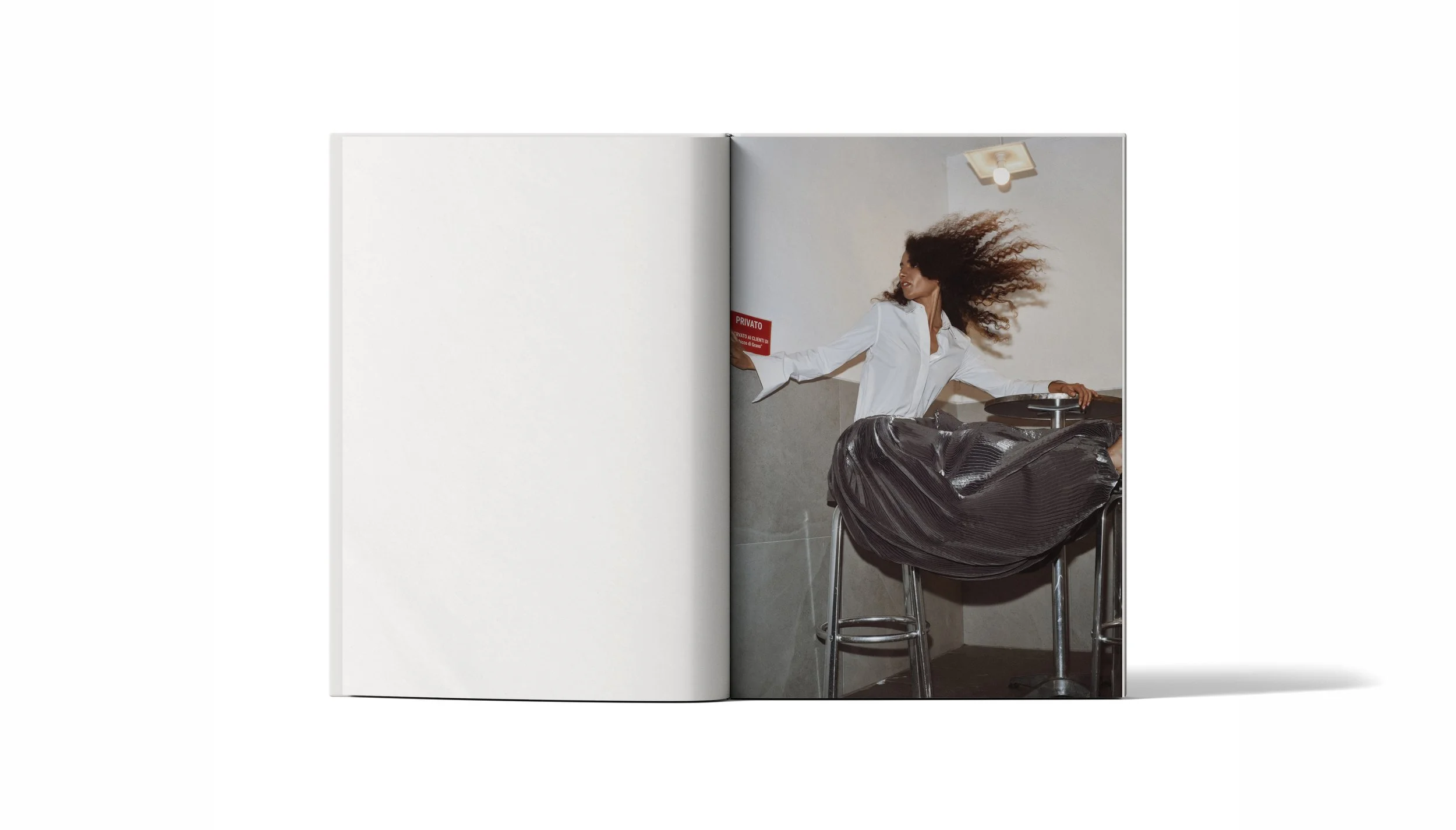
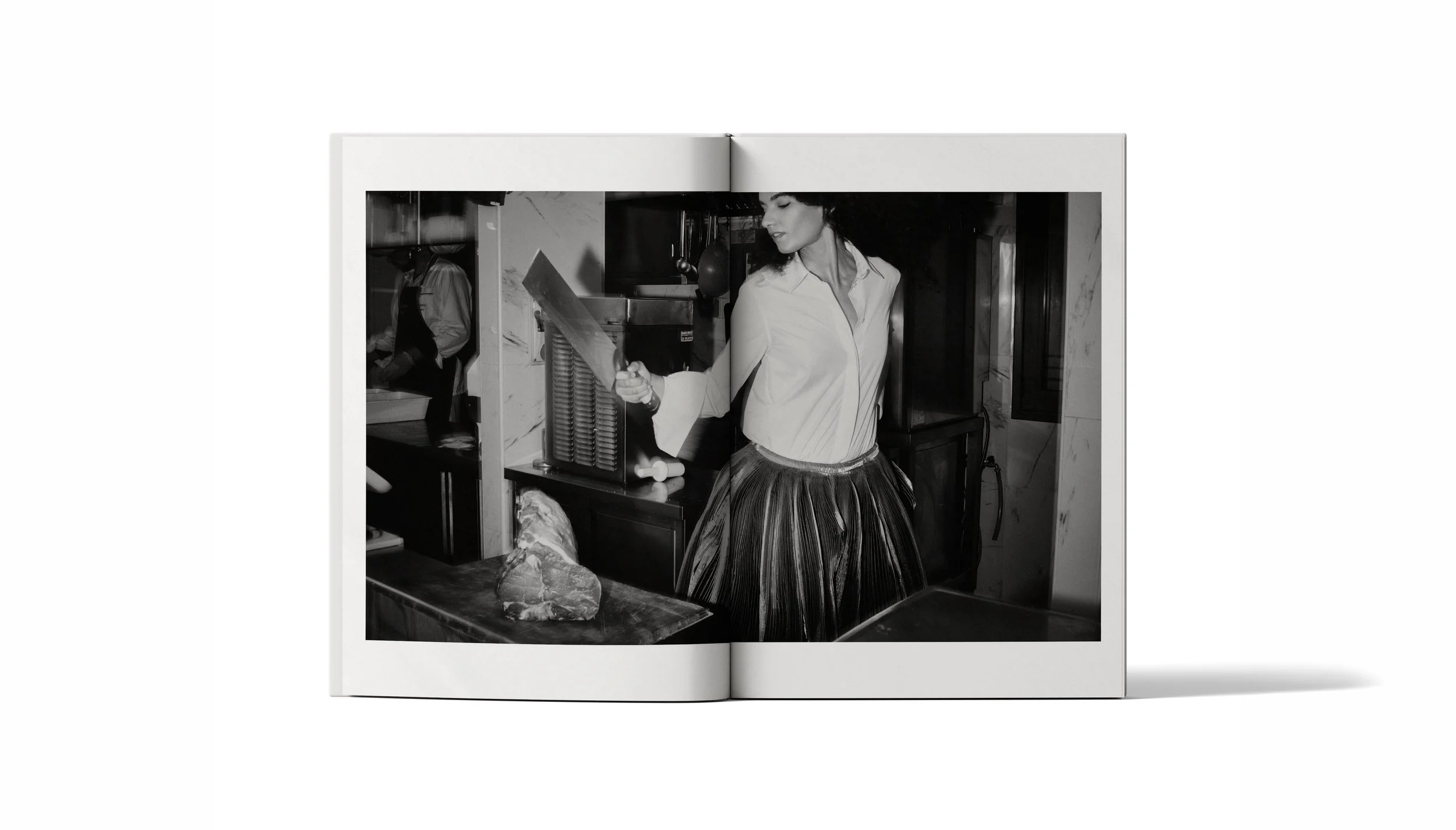
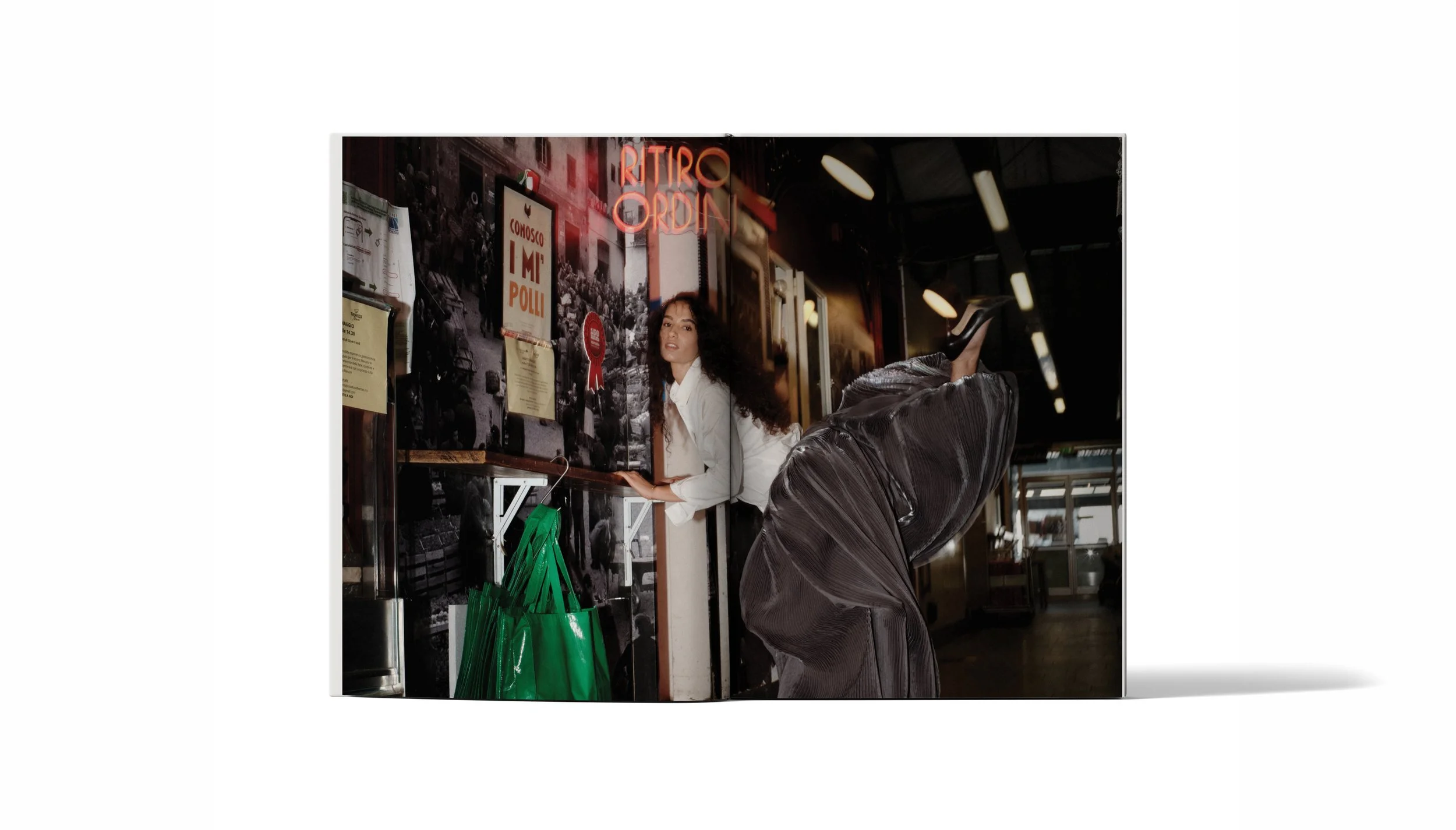
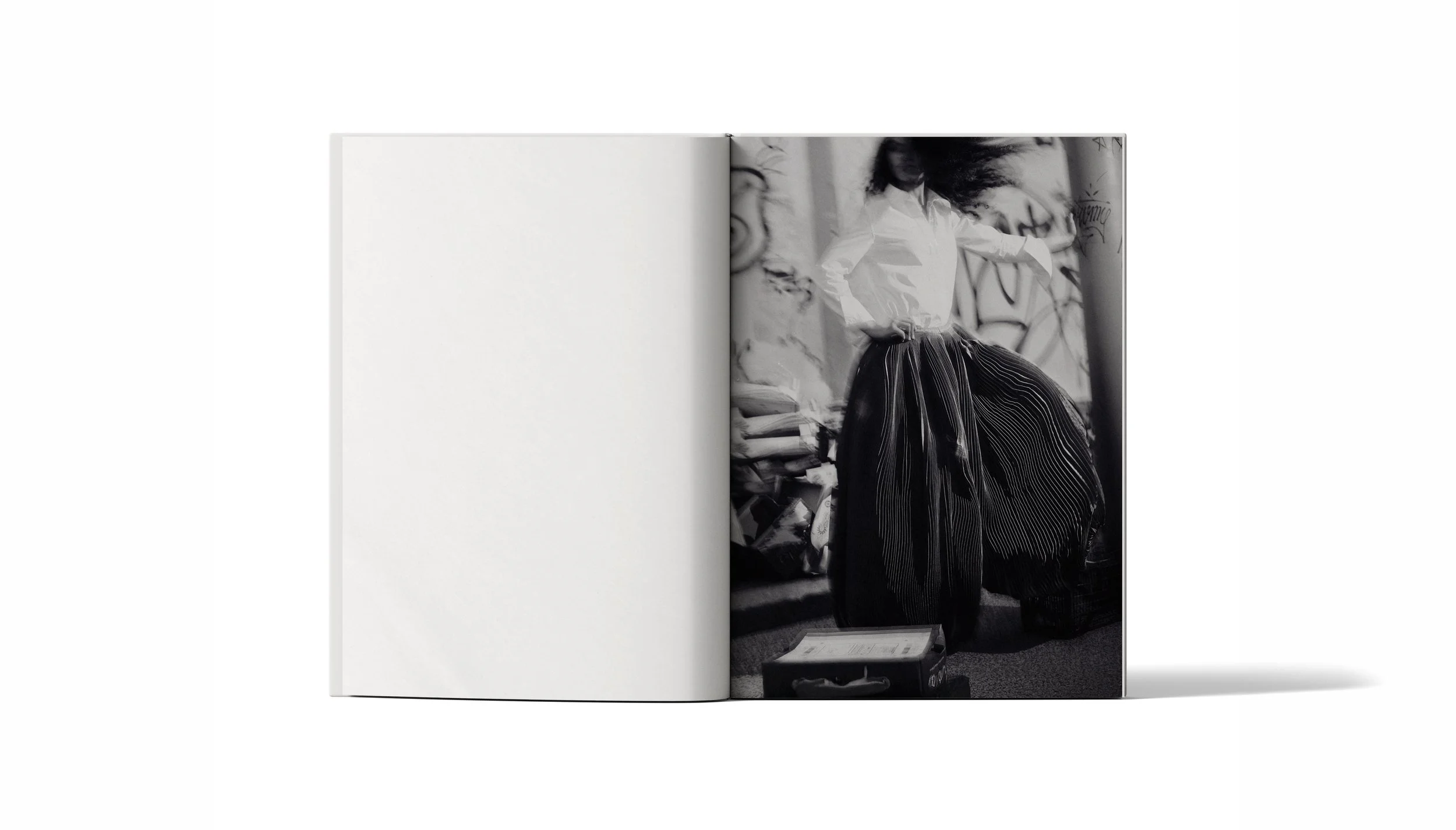
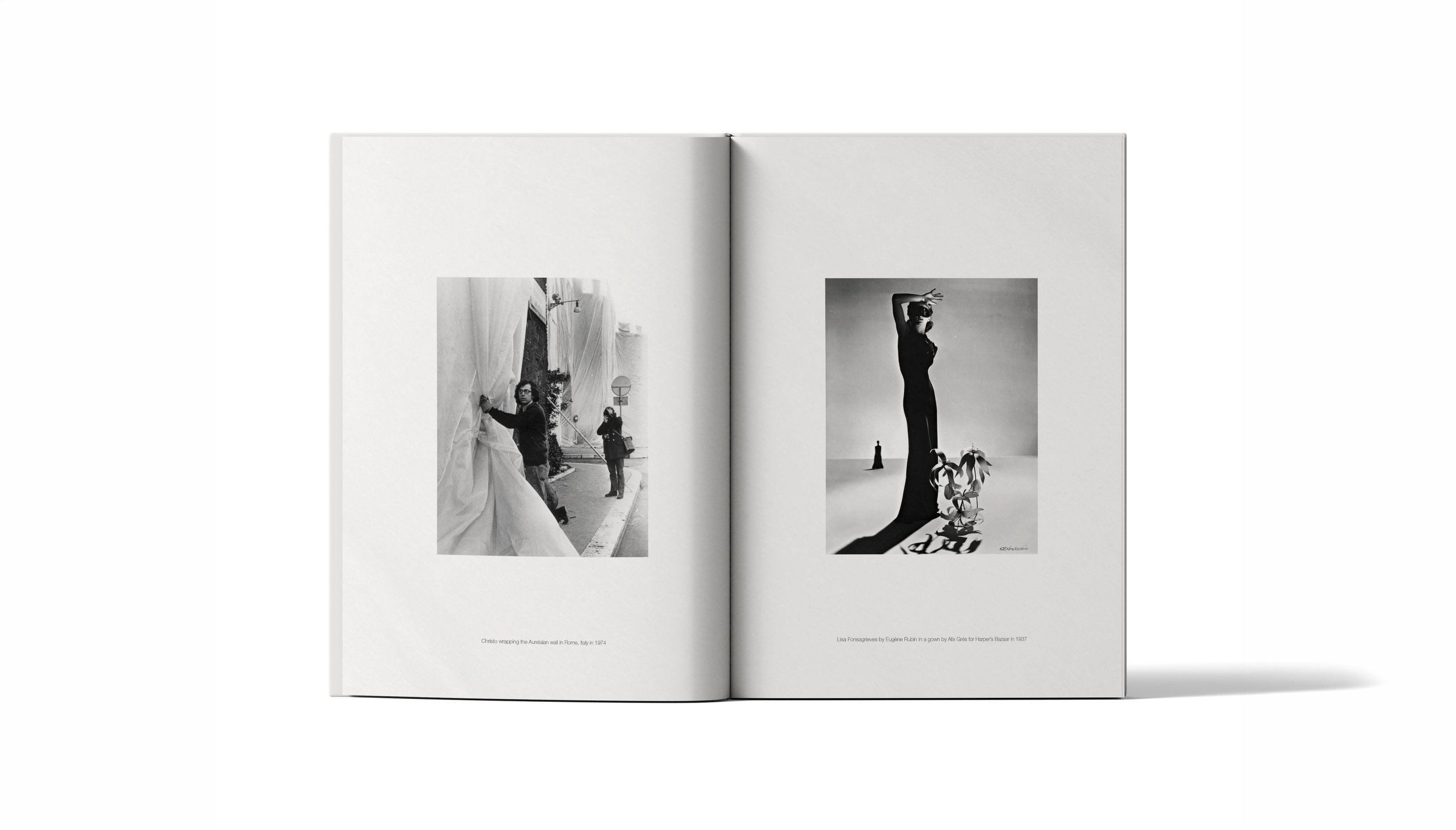
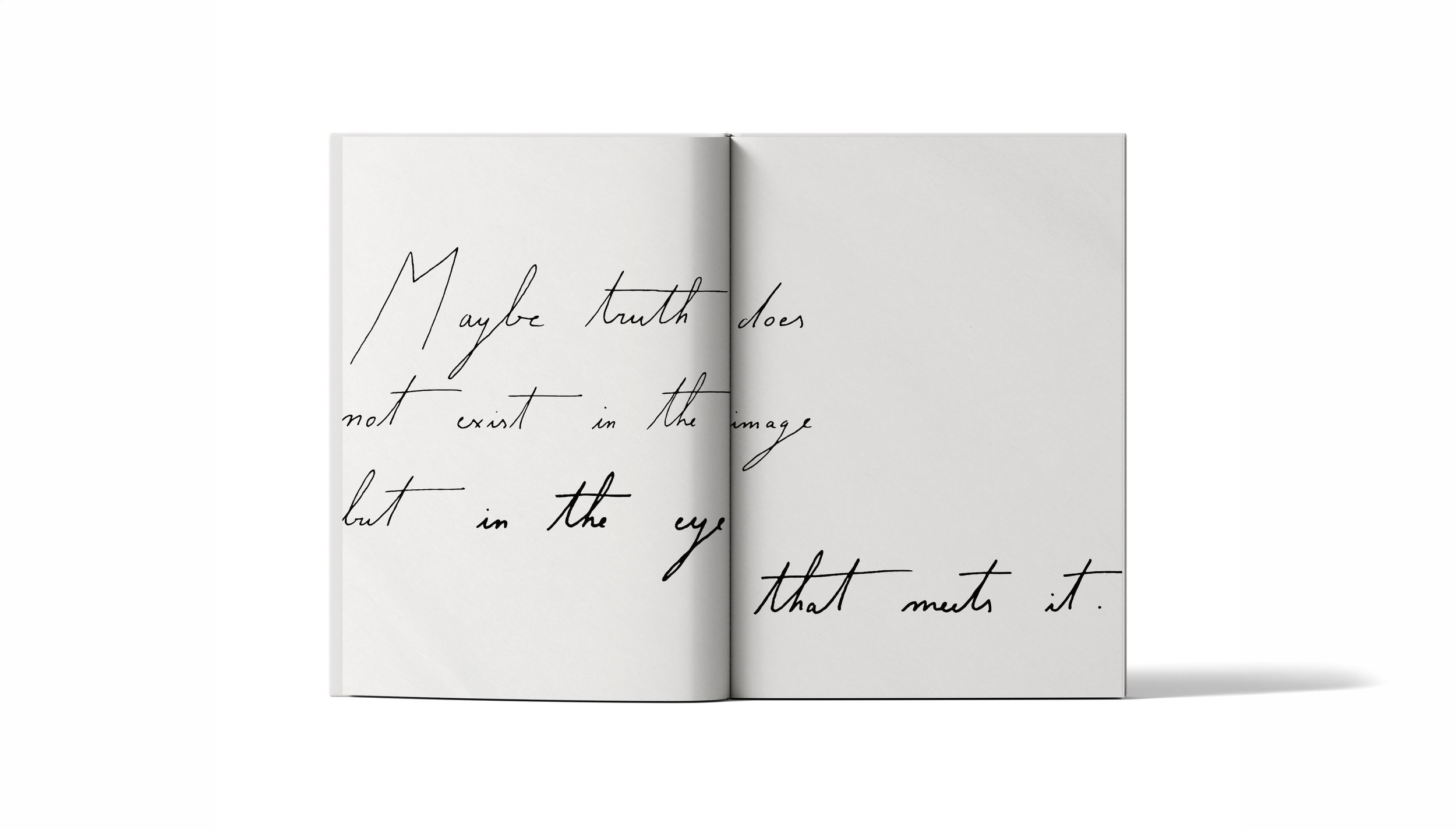
the first chapter investigates photographic perception through an experiment in fashion imagery. three photographers are invited to create editorials using the same model and garment, demonstrating how identical conditions can generate entirely different narratives. through instinctive decisions in framing, atmosphere and direction, the work proposes that originality may never have belonged to the subject itself, but to the eye that meets it.

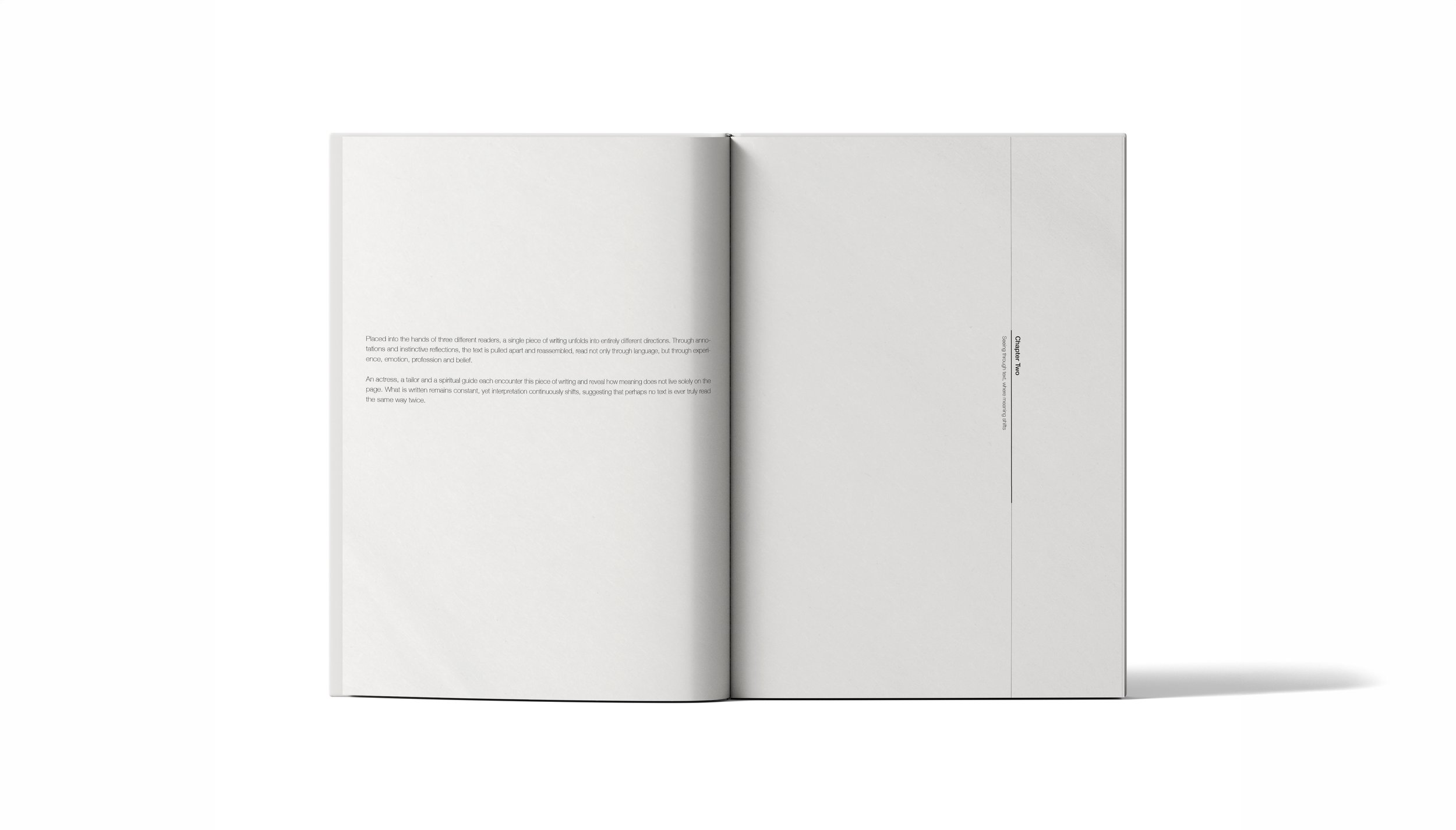
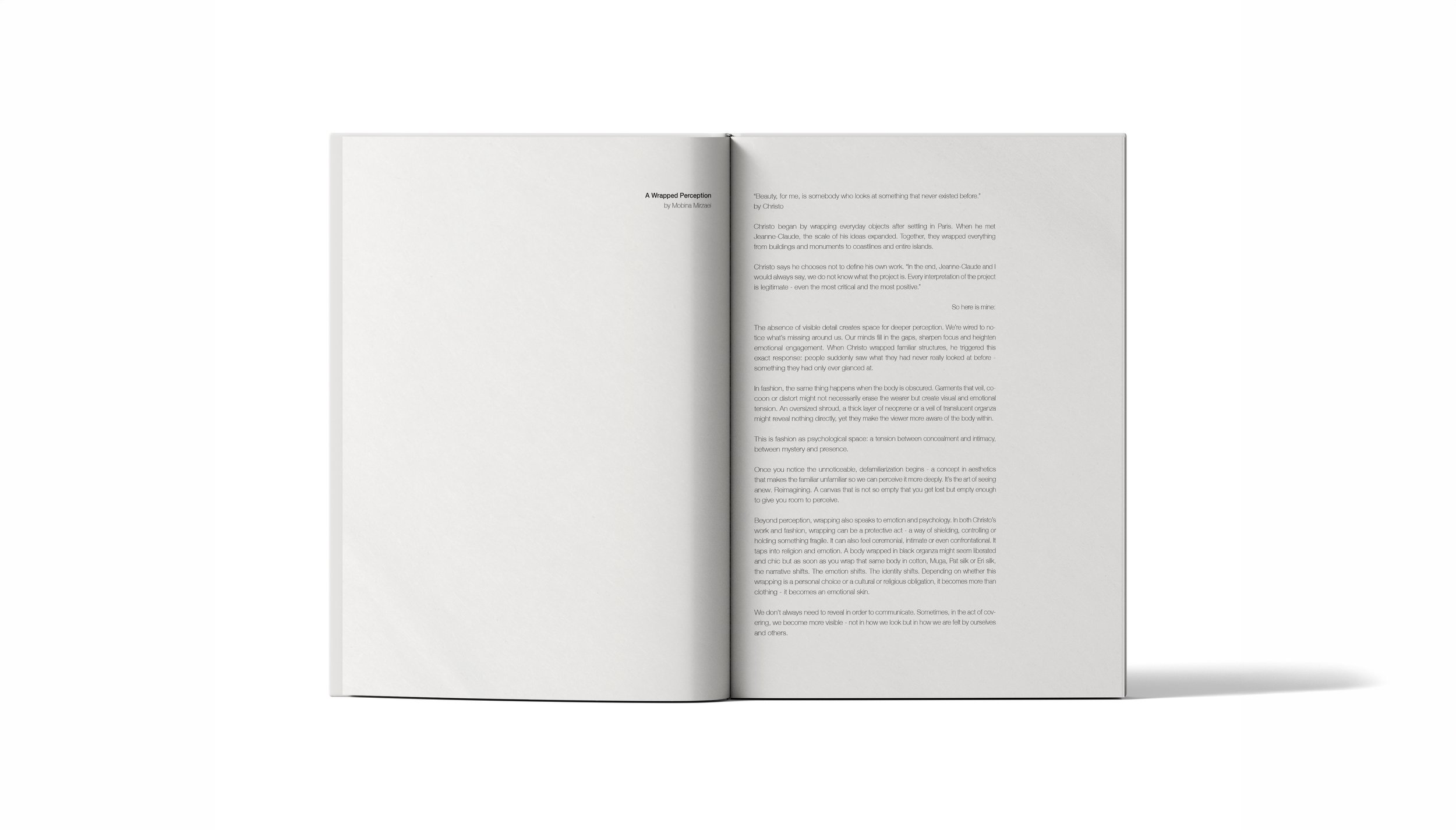
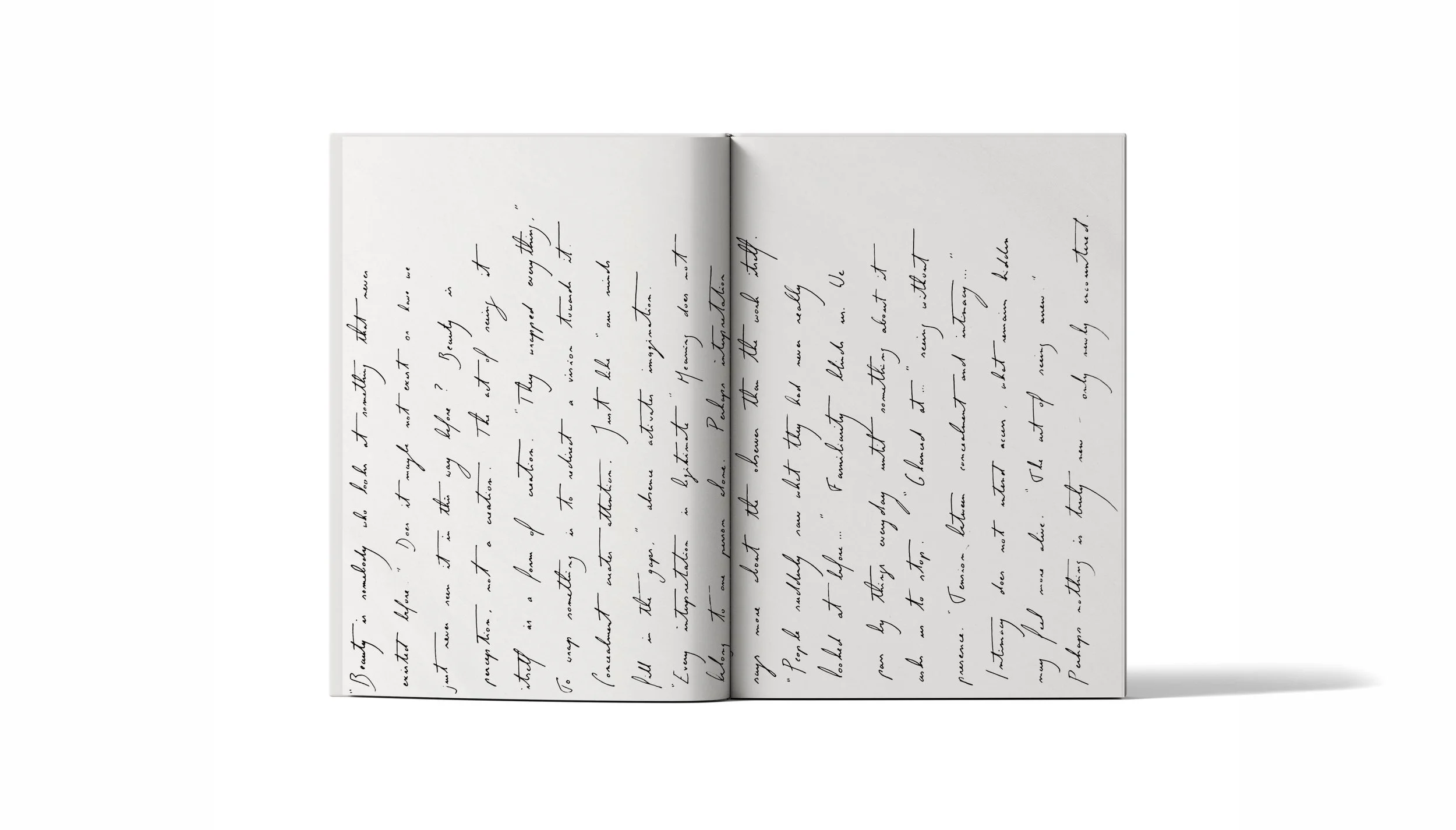
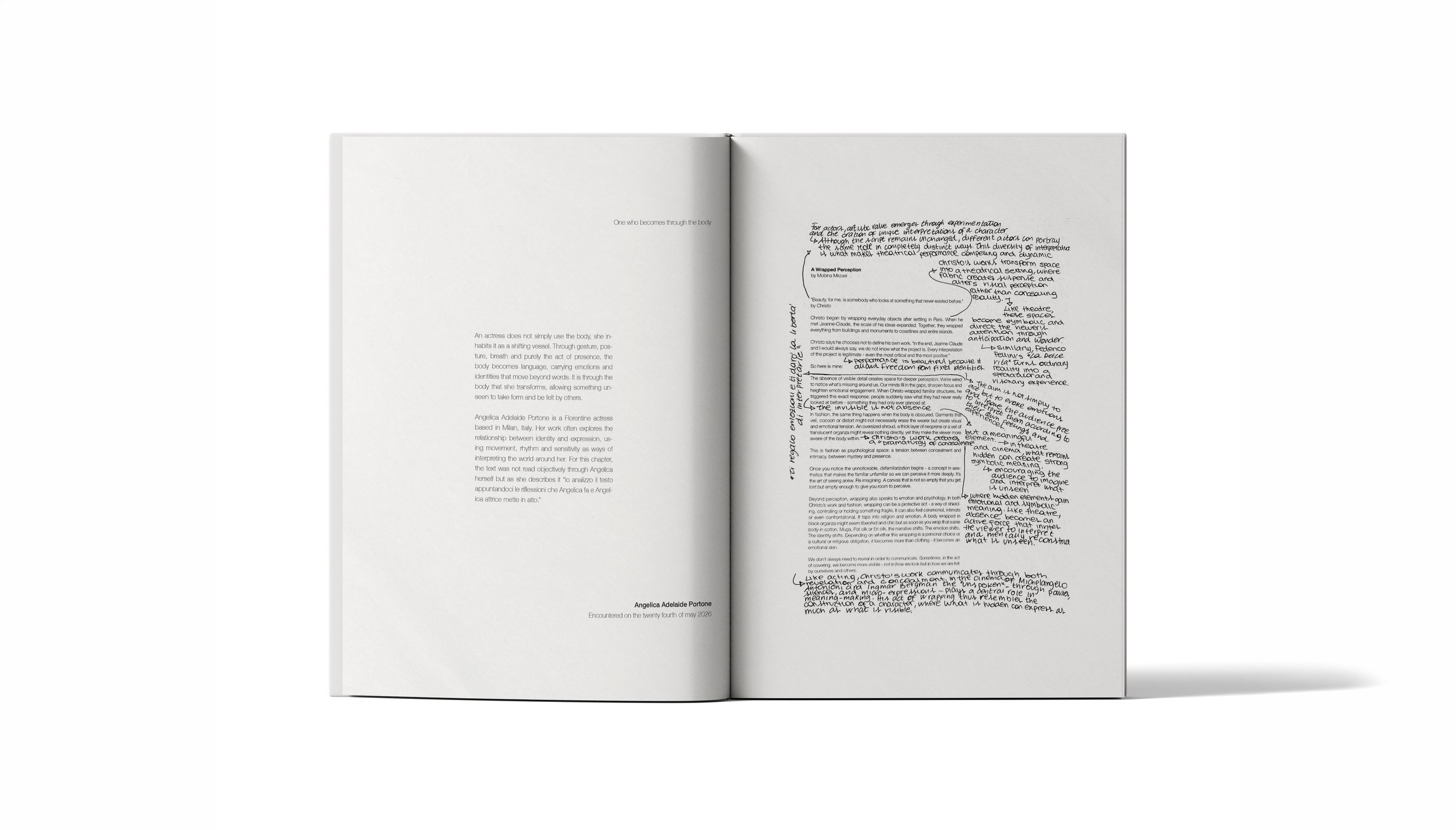
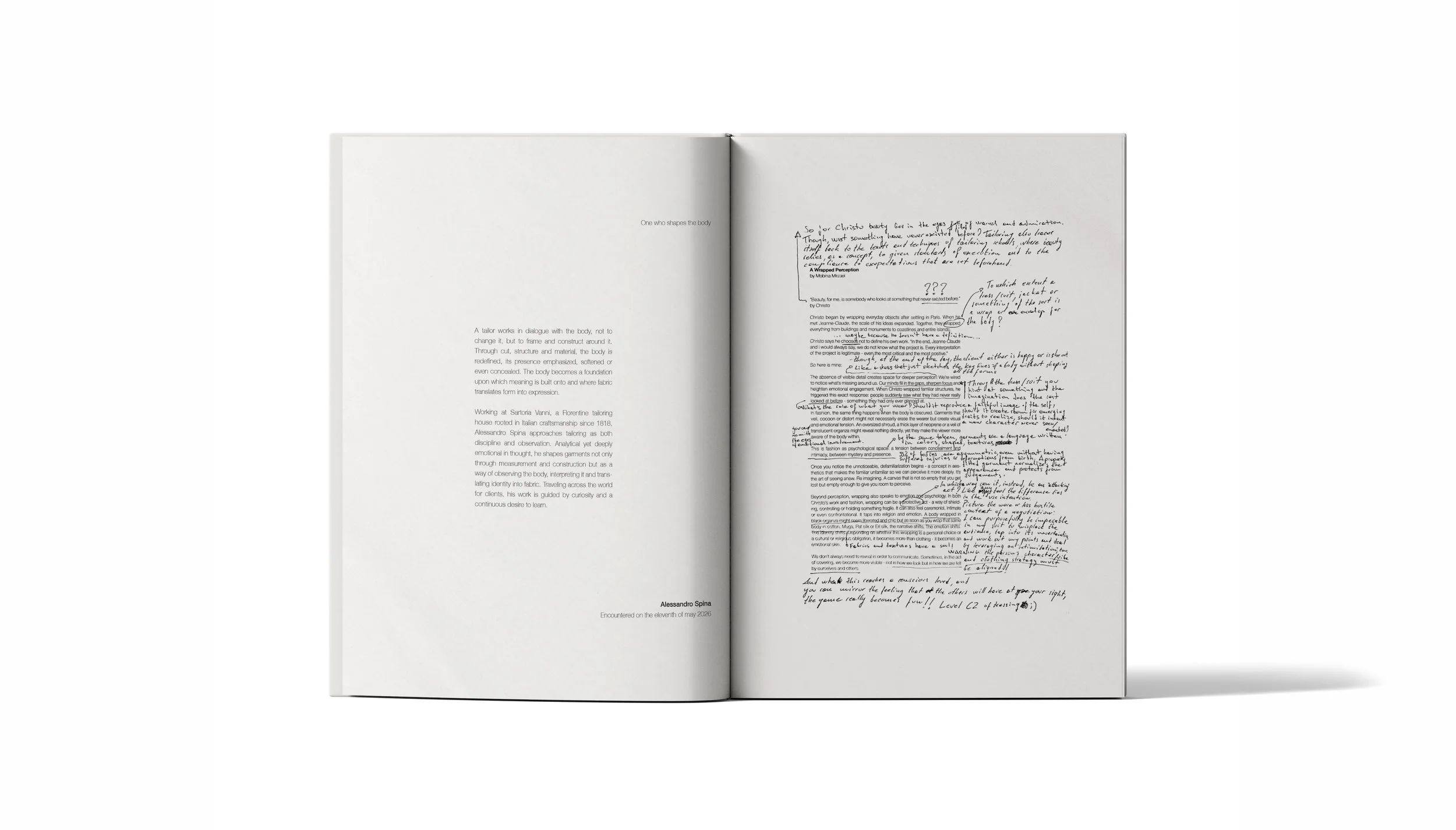
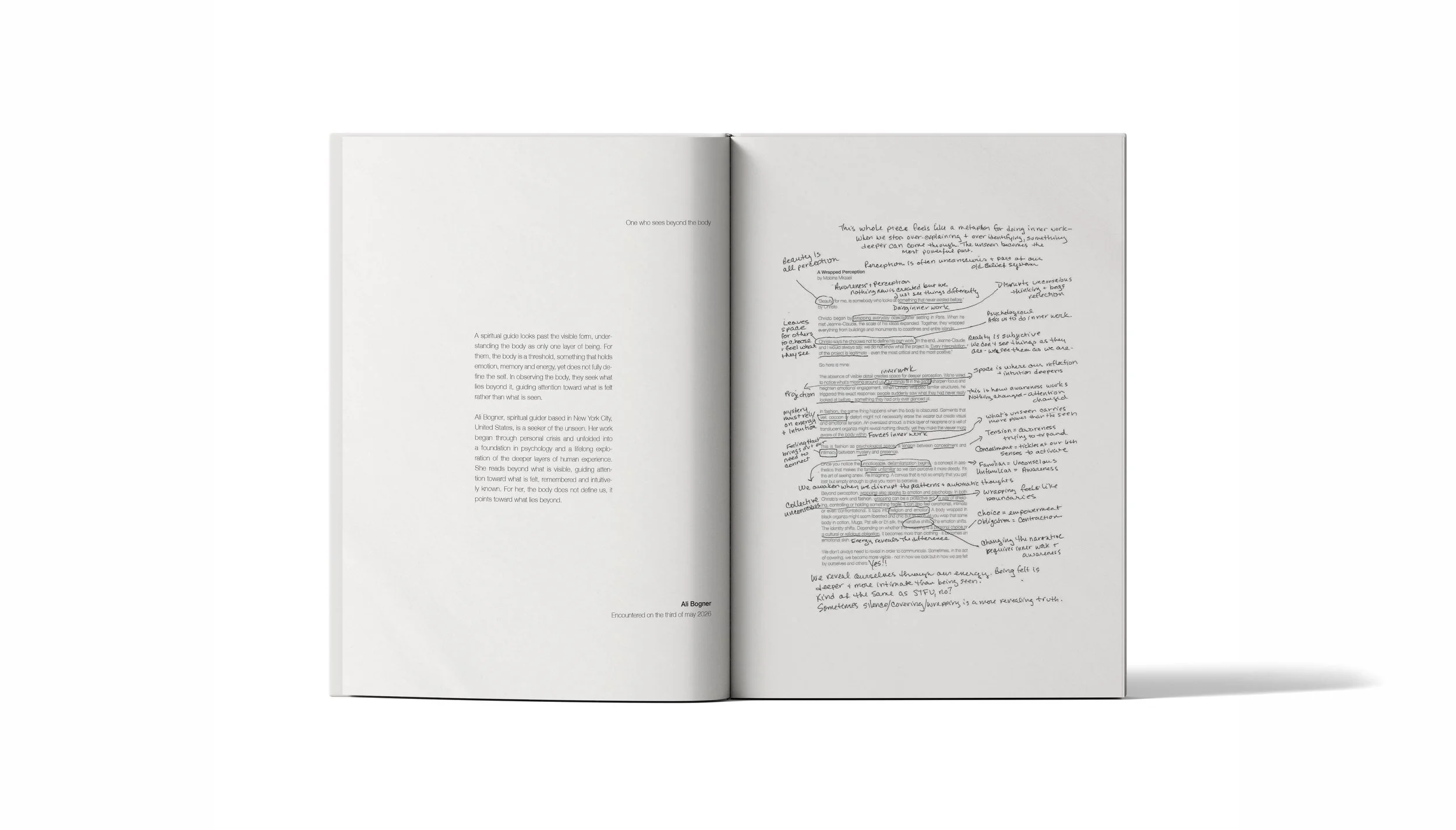
the second chapter shifts from image to text, presenting an existing piece of writing as a site of reinterpretation. three distinct individuals approach the same extract from their own lived experiences and disciplines - an actress, one who becomes through the body, a tailor, one who shapes the body and a spiritual guide, one who sees beyond the body. through annotations, markings and personal reflections layered directly onto the pages, their contrasting readings transform the act of reading into a visual and subjective experience, revealing that meaning is shaped not by the text alone but by the perspective brought to it.

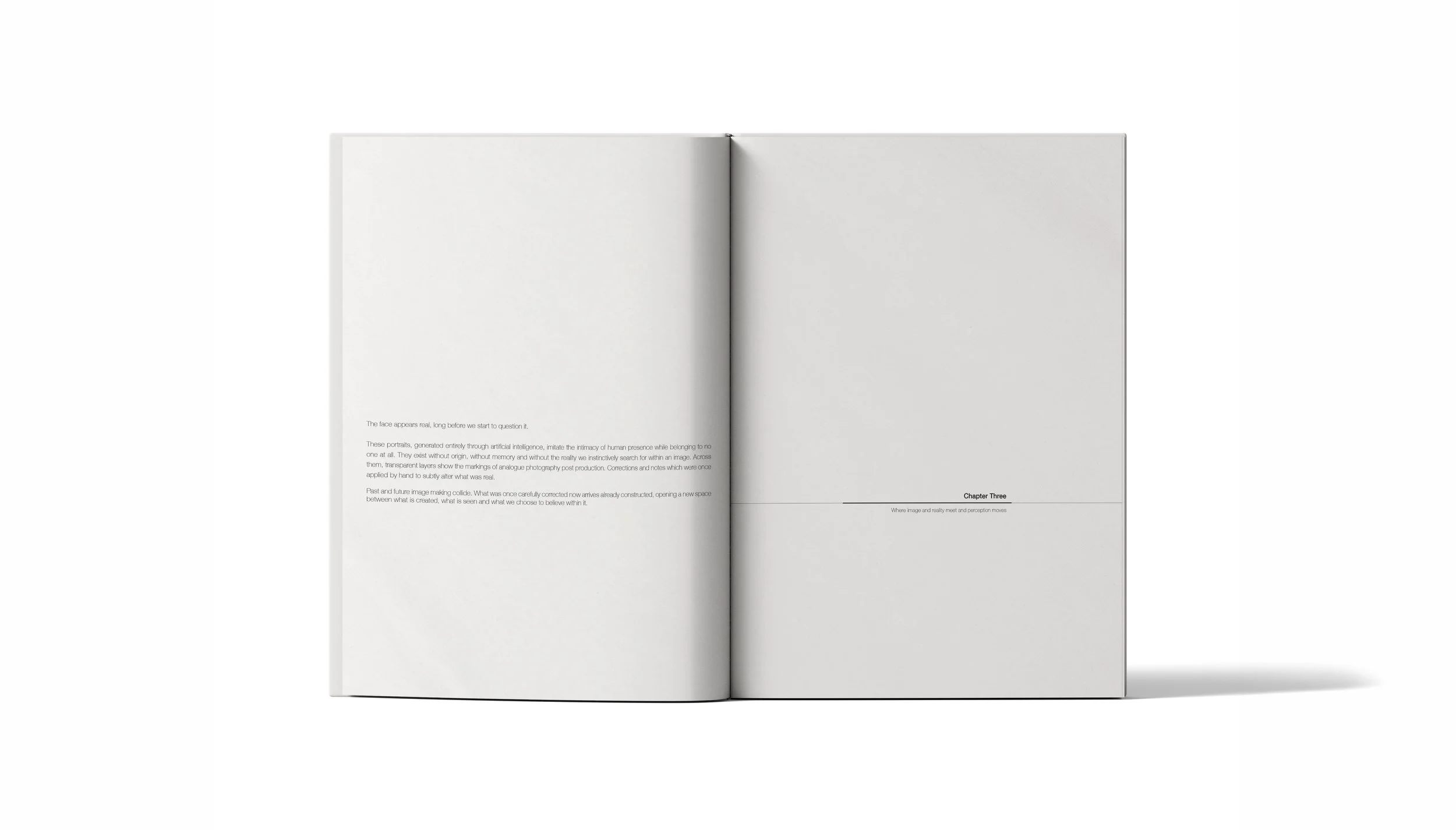
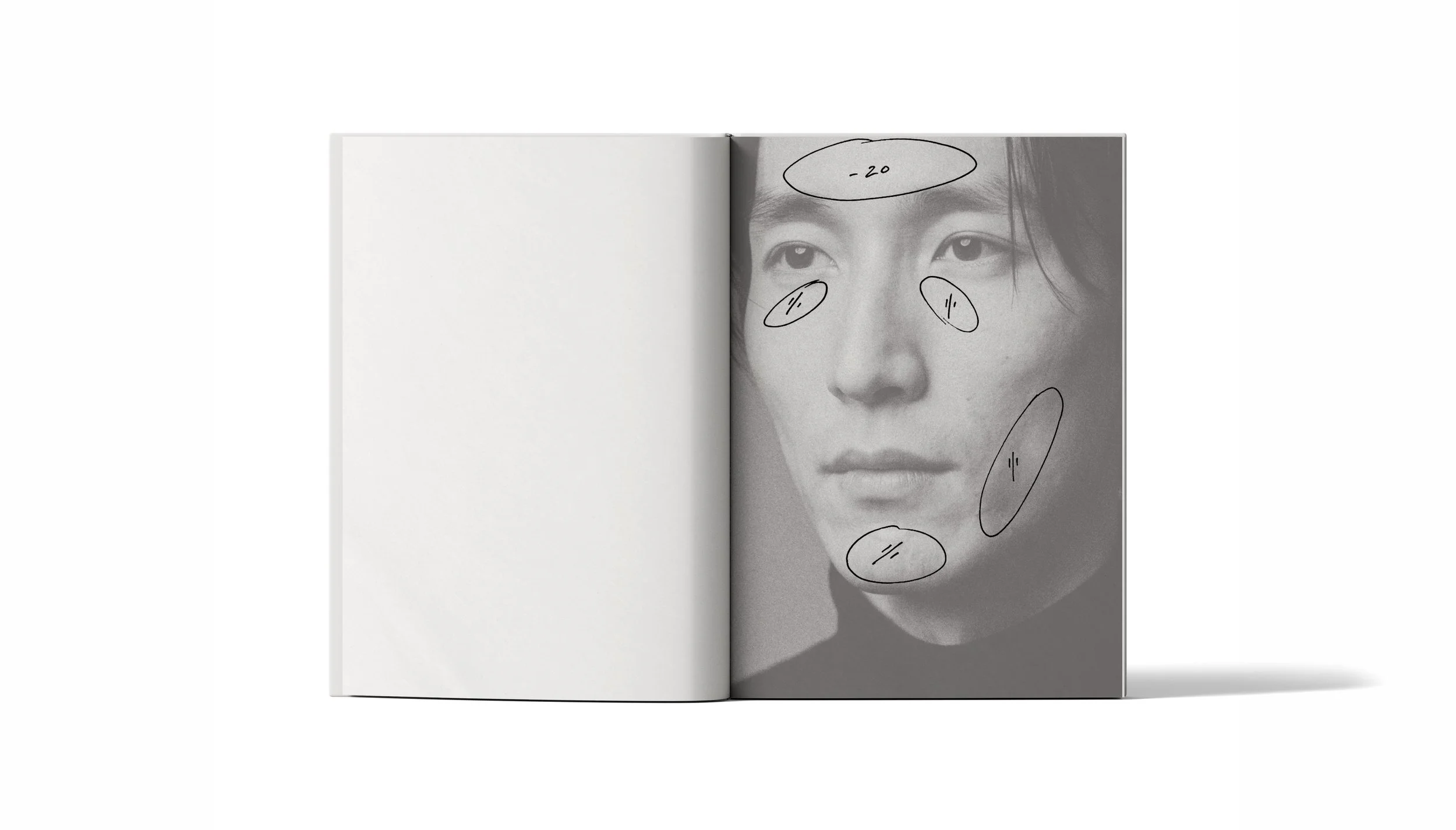
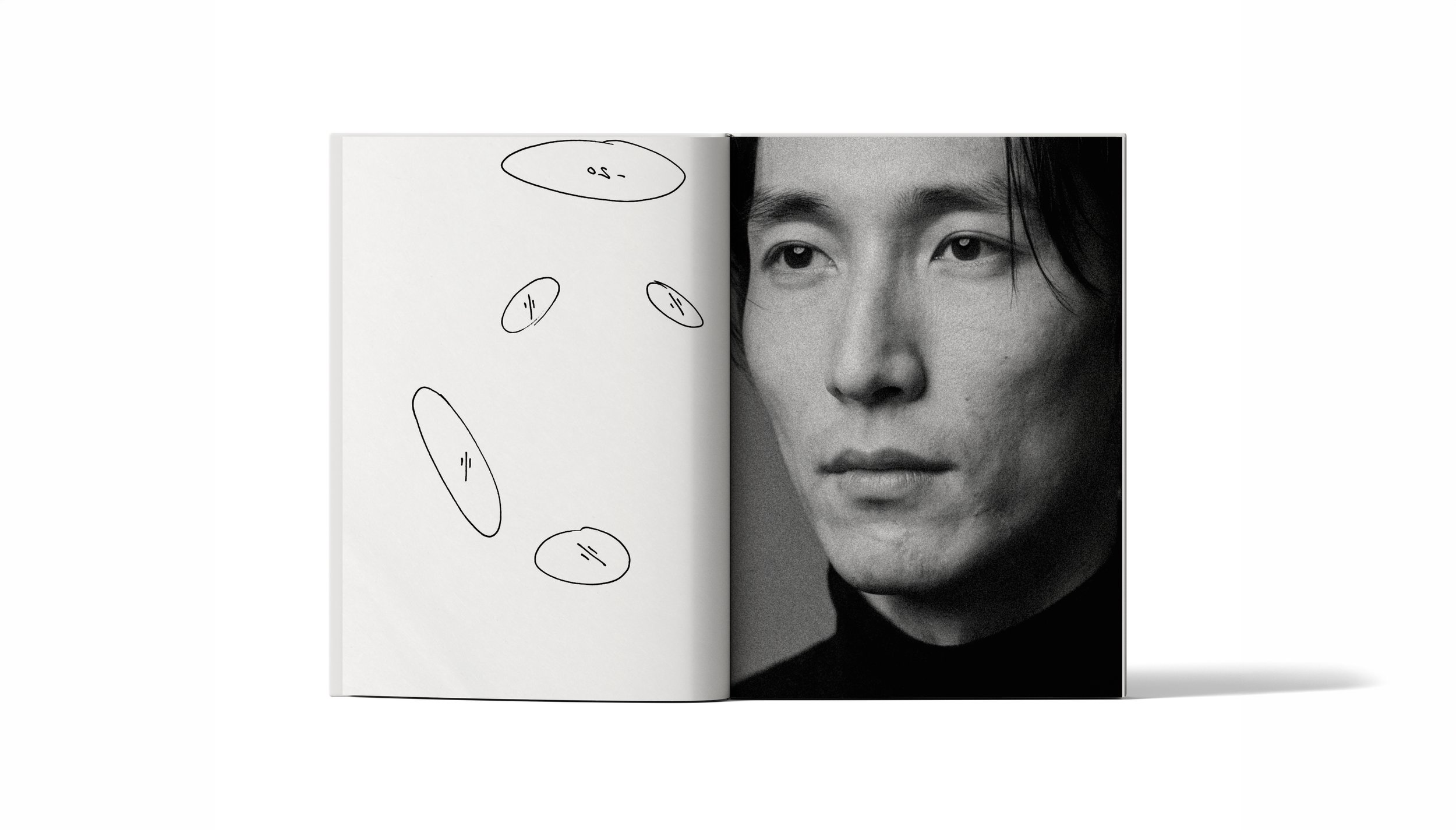
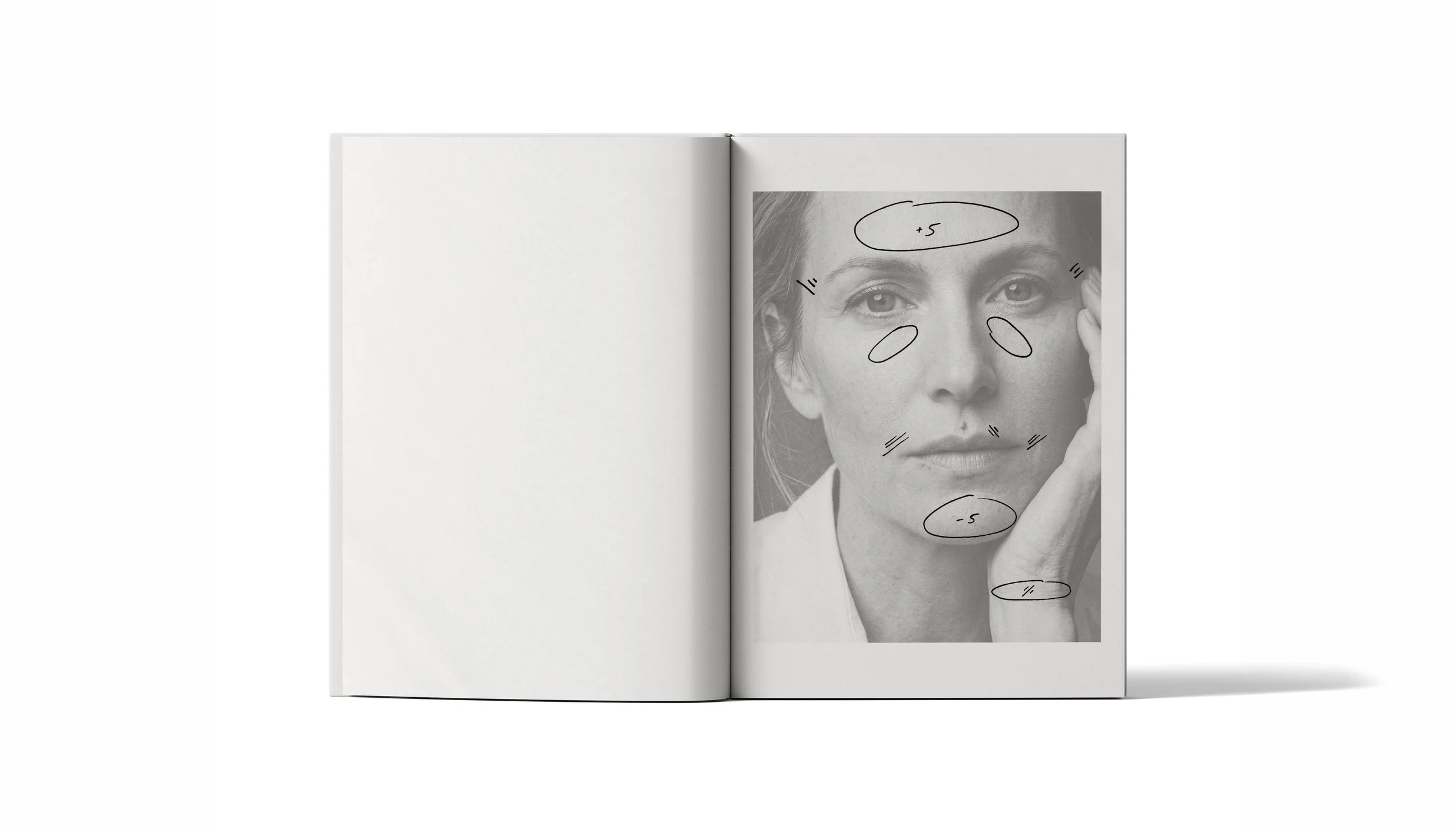
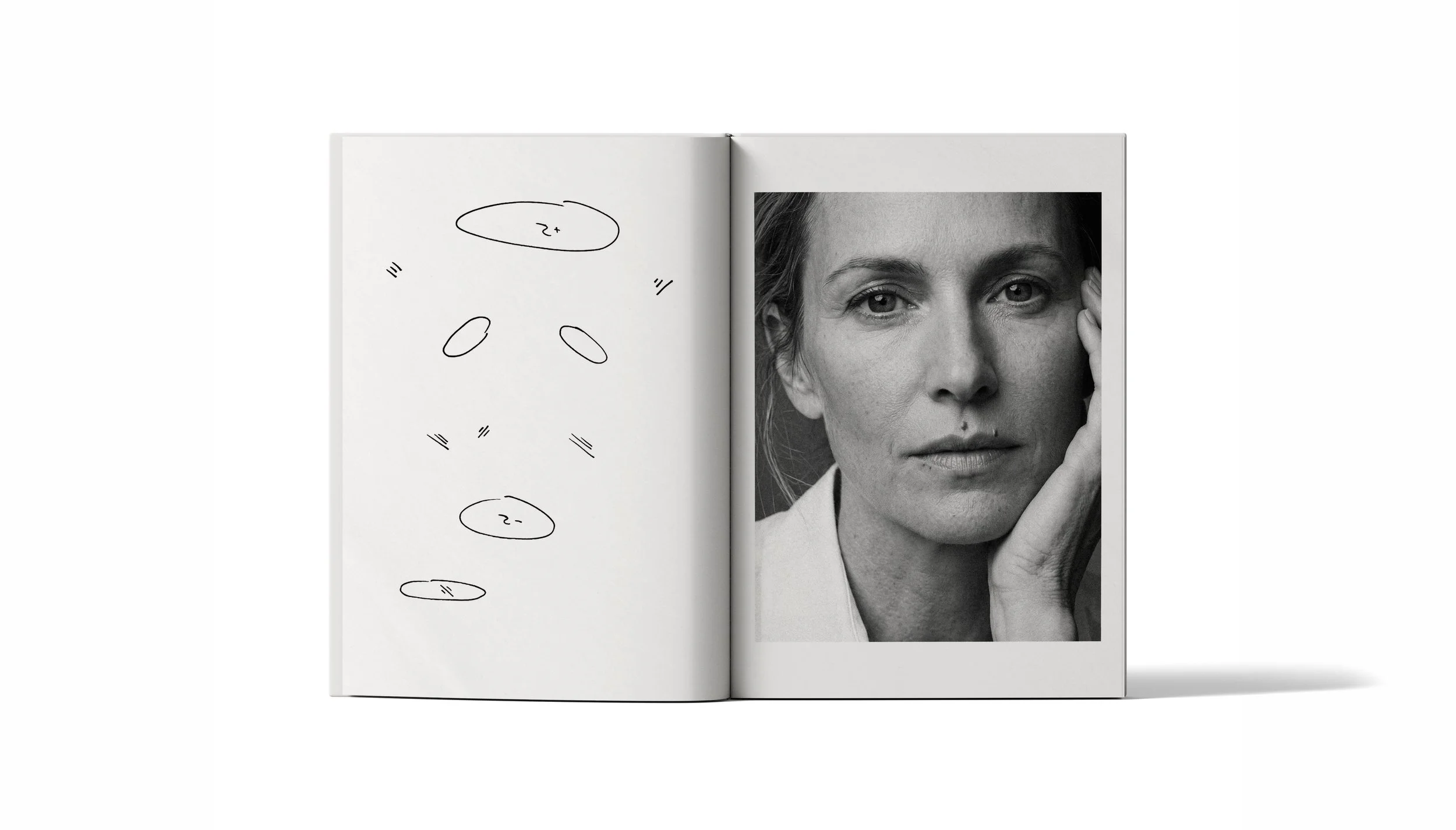
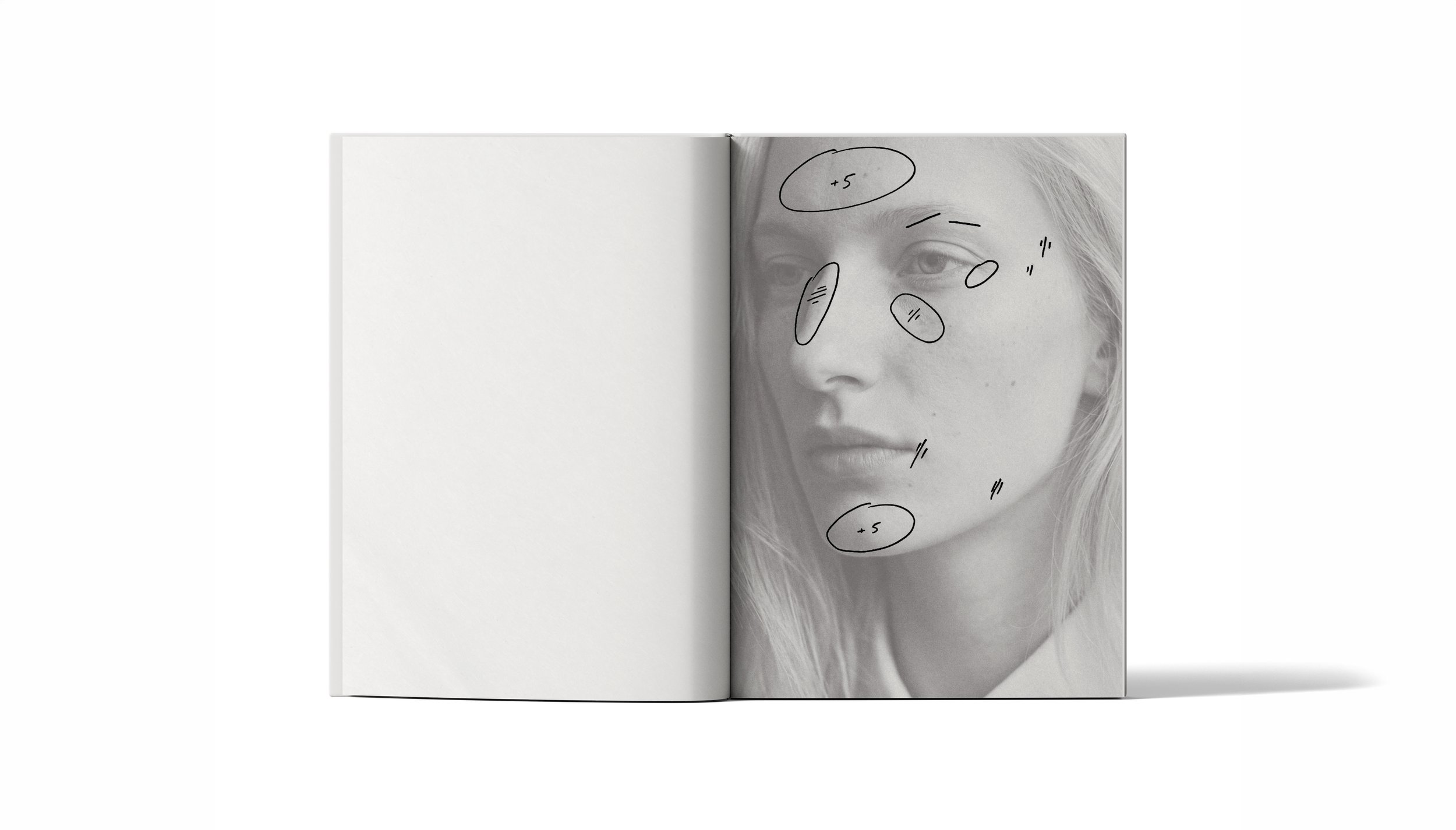
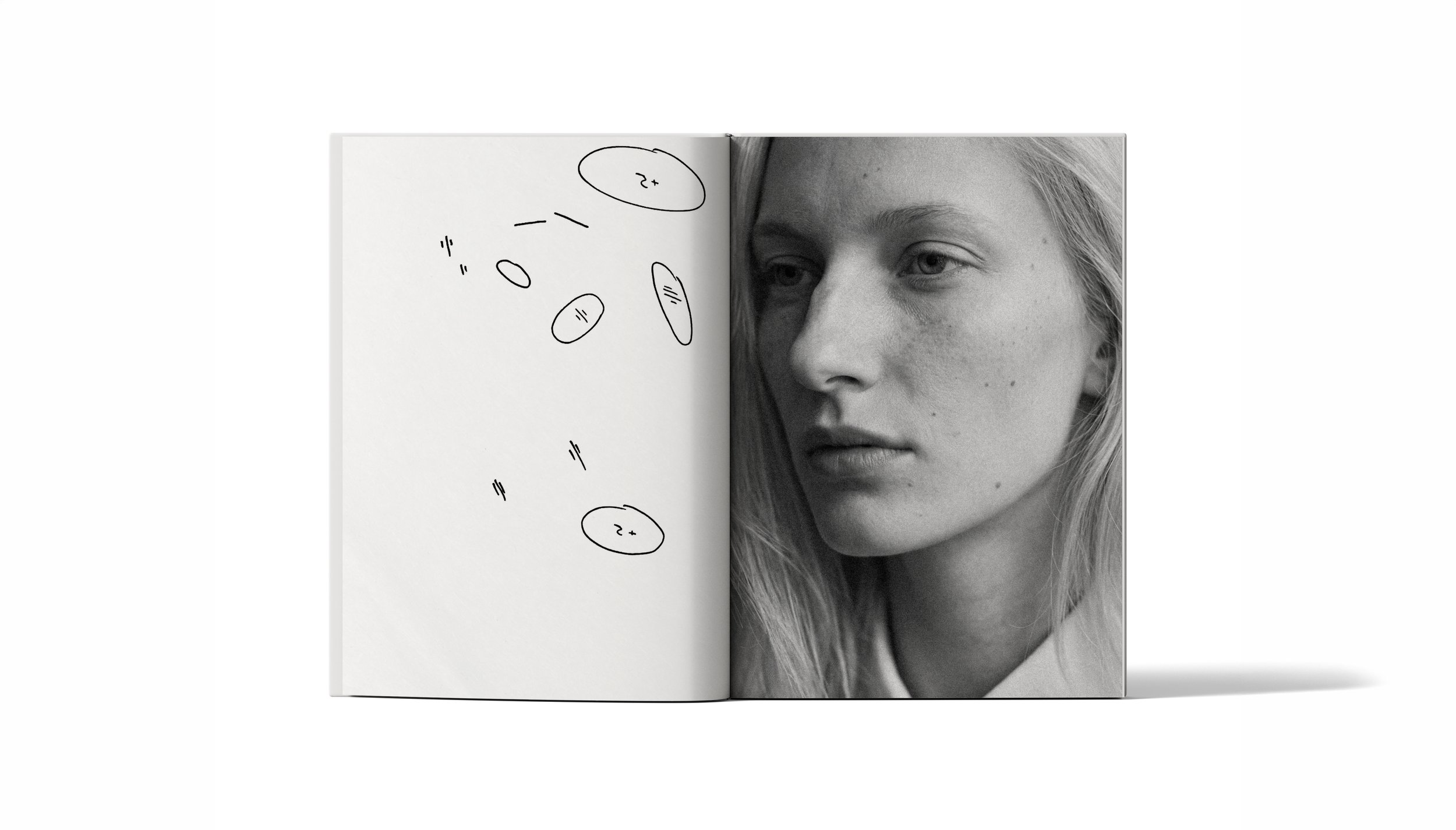
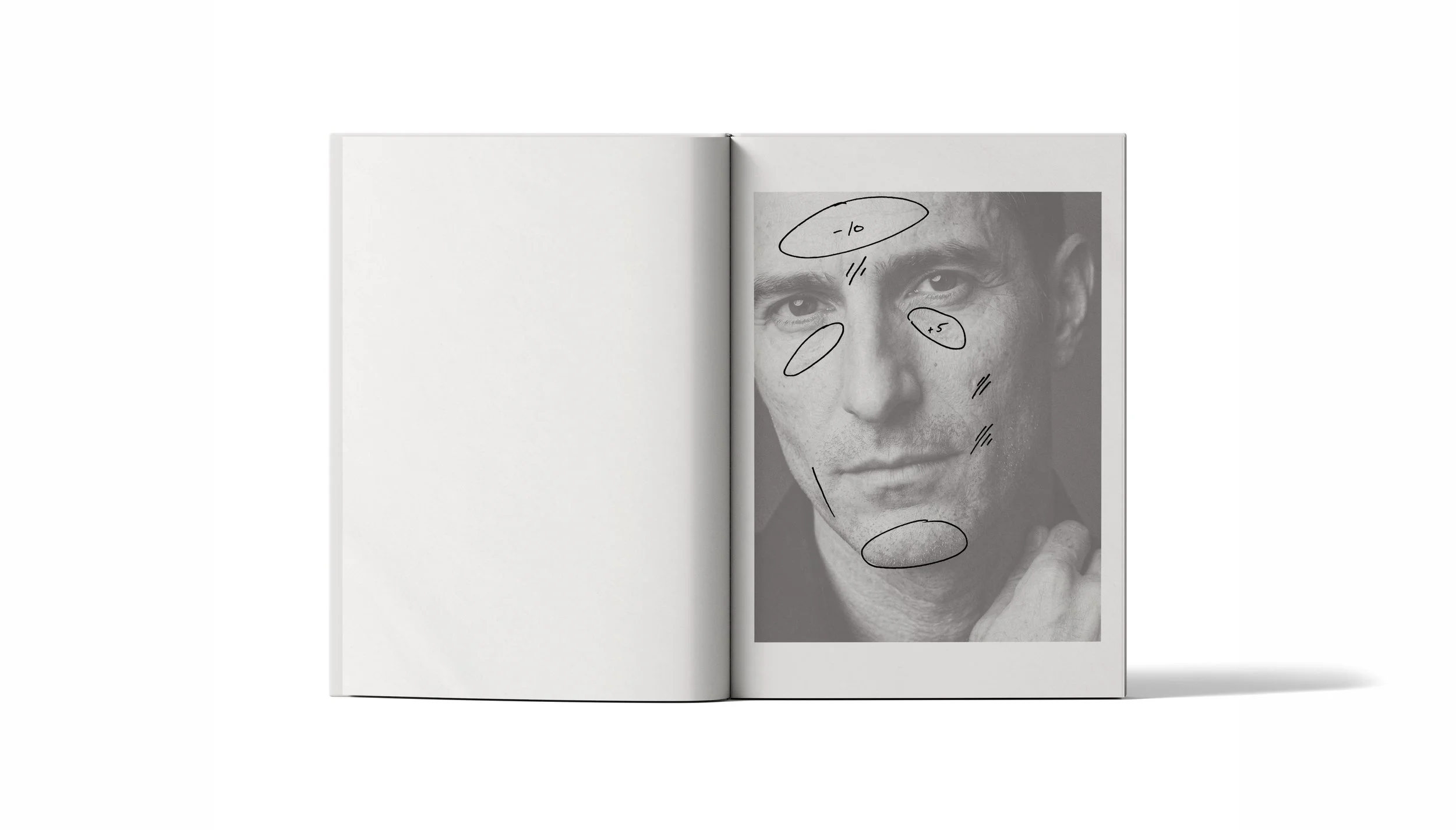
the third and final chapter questions the relationship between imagery itself. through a series of artificial intelligence generated fashion portraits, faces that appear intimate and authentic are revealed to have never existed. transparent overlays marked with traditional analogue post production markings further disrupt perception, juxtaposing historical methods of image manipulation with contemporary digital fabrication. the chapter reflects on the increasingly uncertain nature of visual truth and asks the viewer to reconsider the authenticity of the images that shapes our contemporary culture.

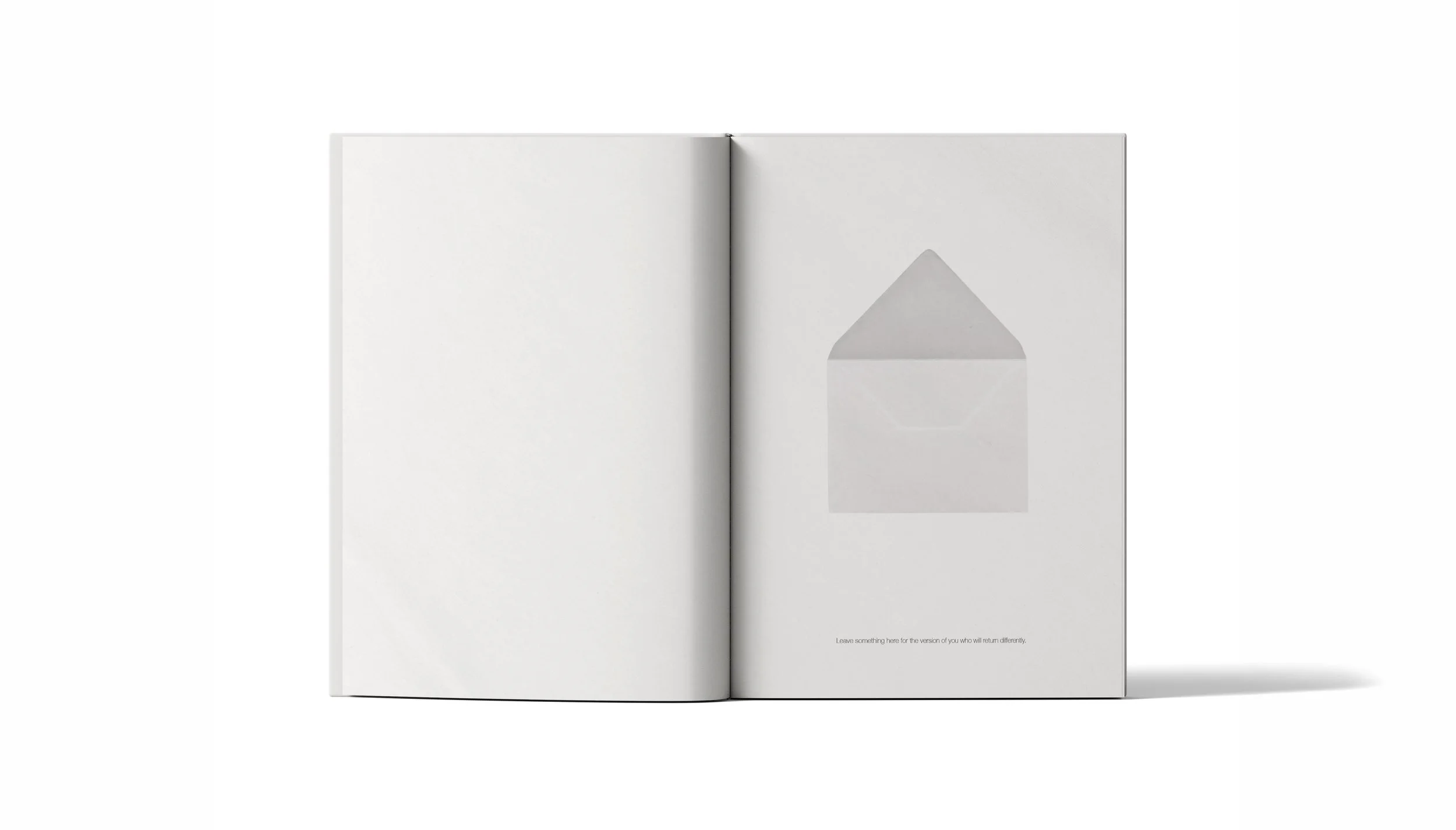
rather than concluding with an answer, on seeing leaves space for reflection. a blank page, sealed within an envelope, invites the reader to leave behind a thought, a memory or a truth that belongs to that particular moment in time. returning to it in the future becomes part of the work itself, acknowledging that perception, like identity, is never static. in this final gesture, the project extends beyond the publication, proposing that meaning is not something we discover but something we continuously create, revisit and rewrite.
art direction, graphic design and research by celina ludes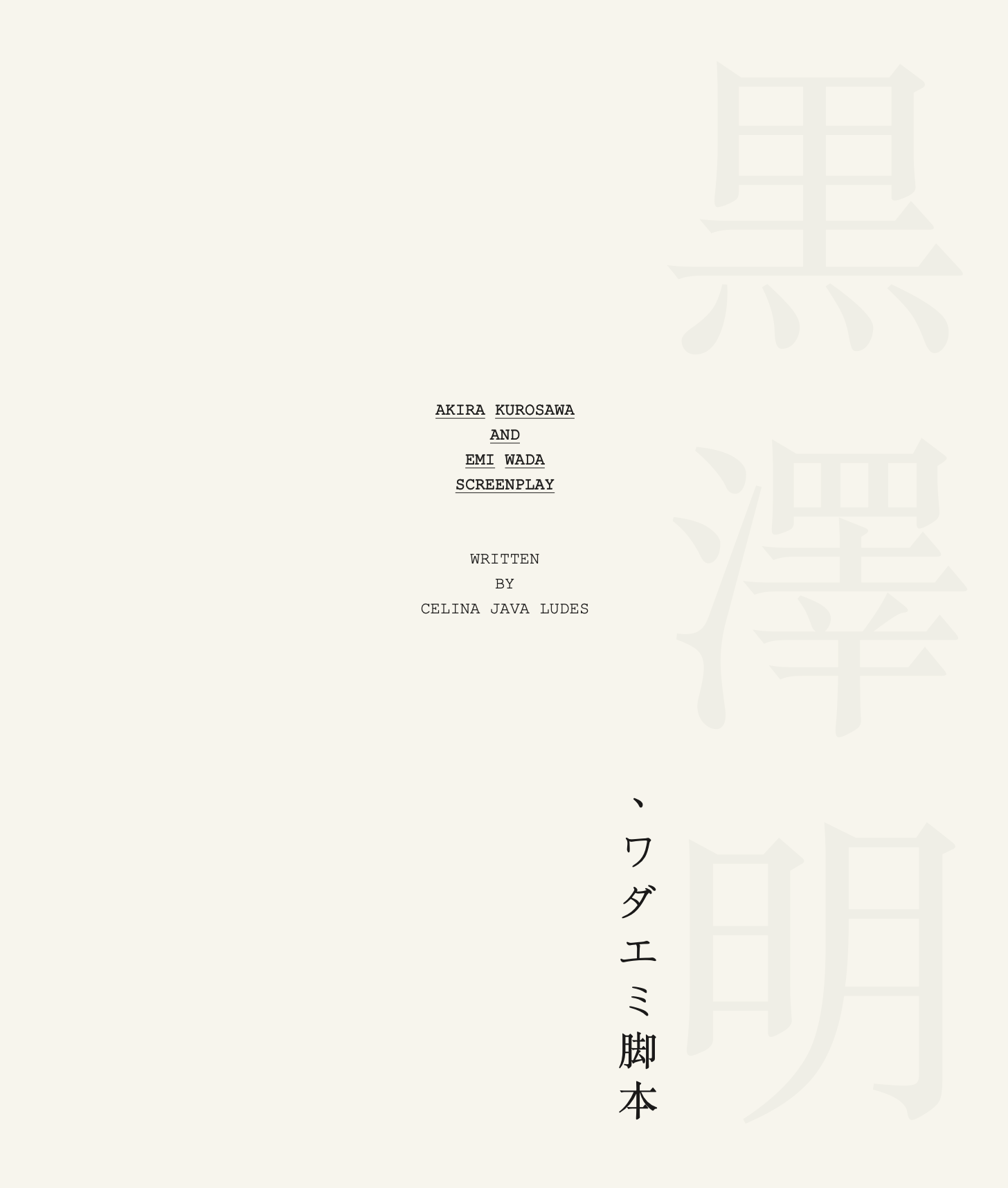
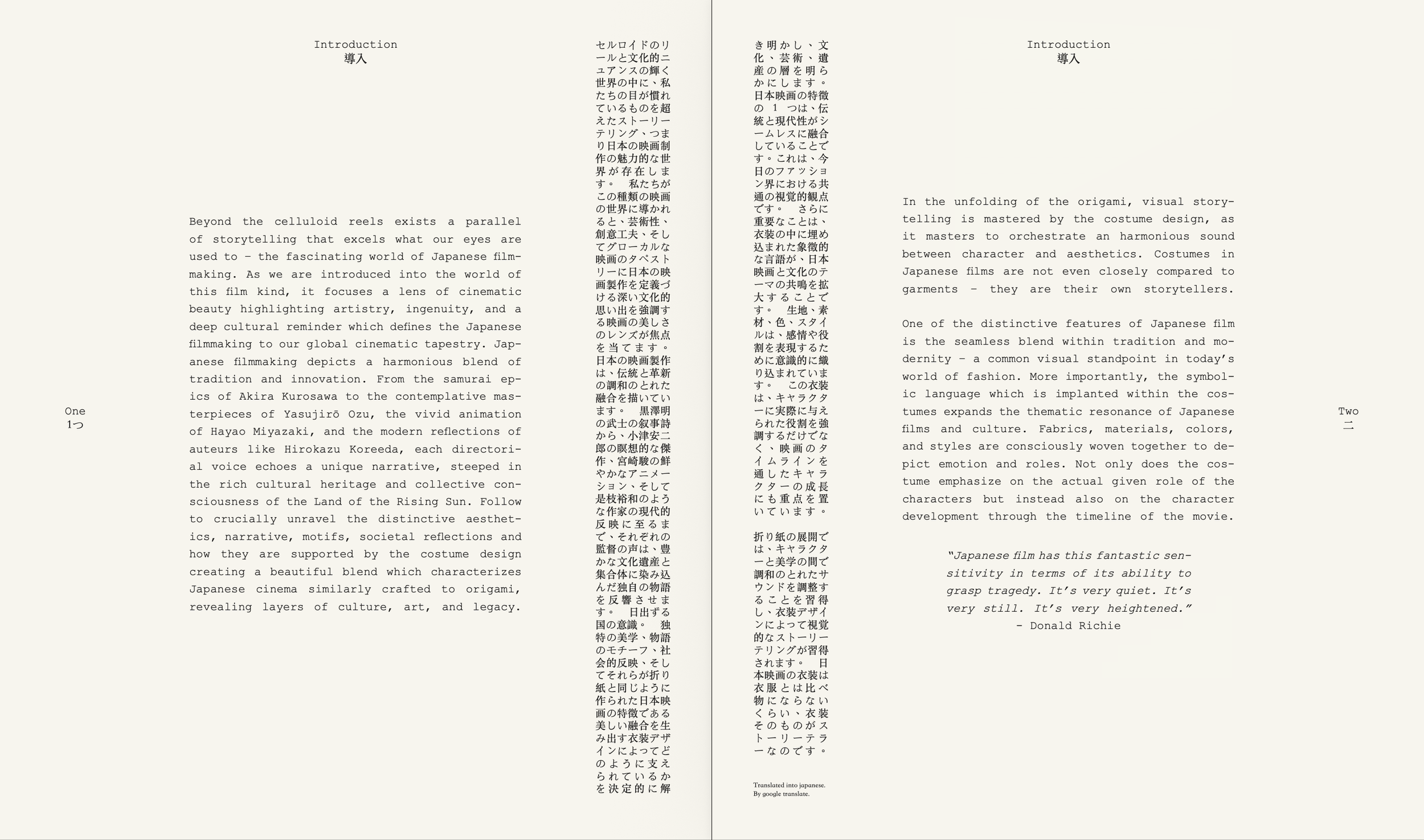
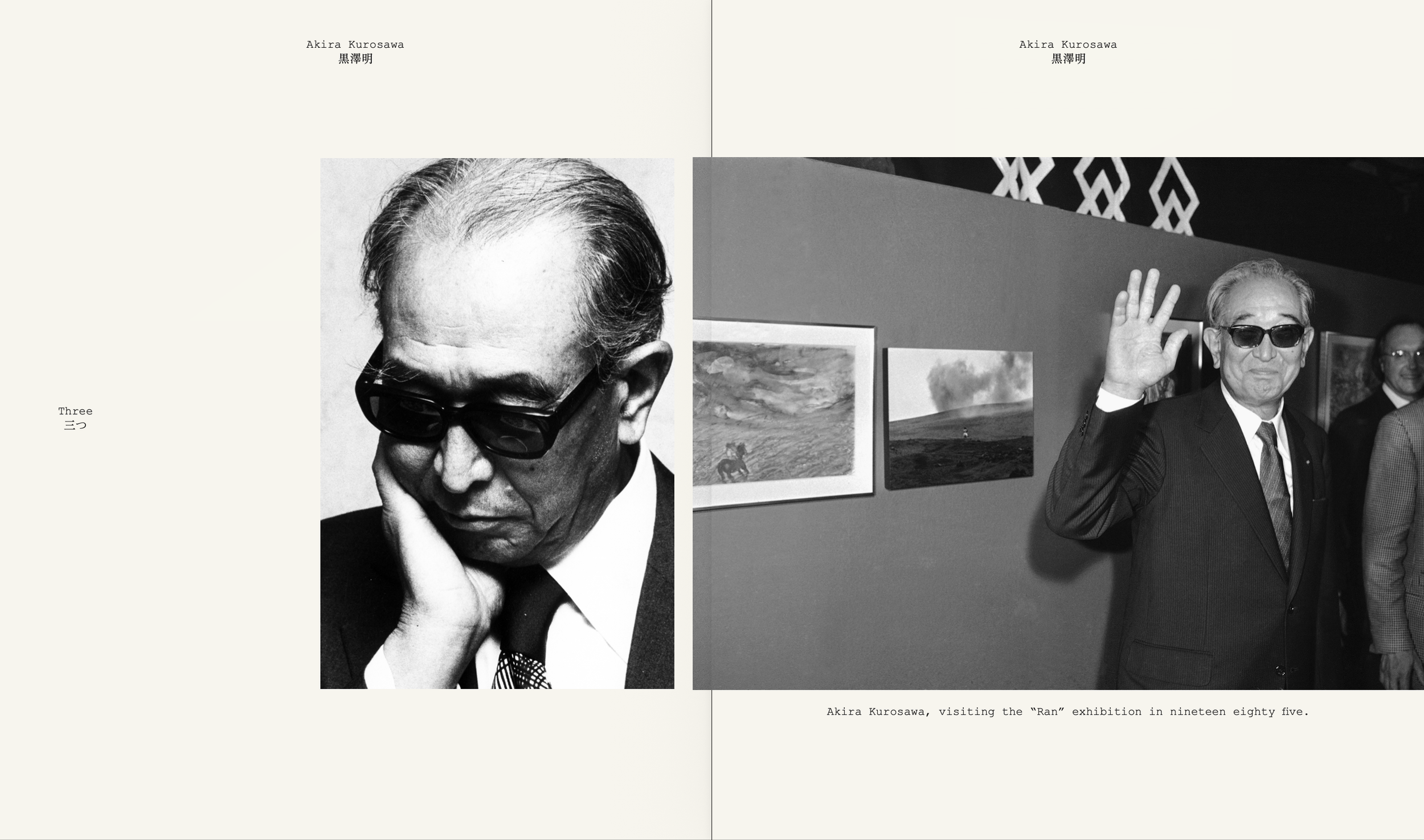
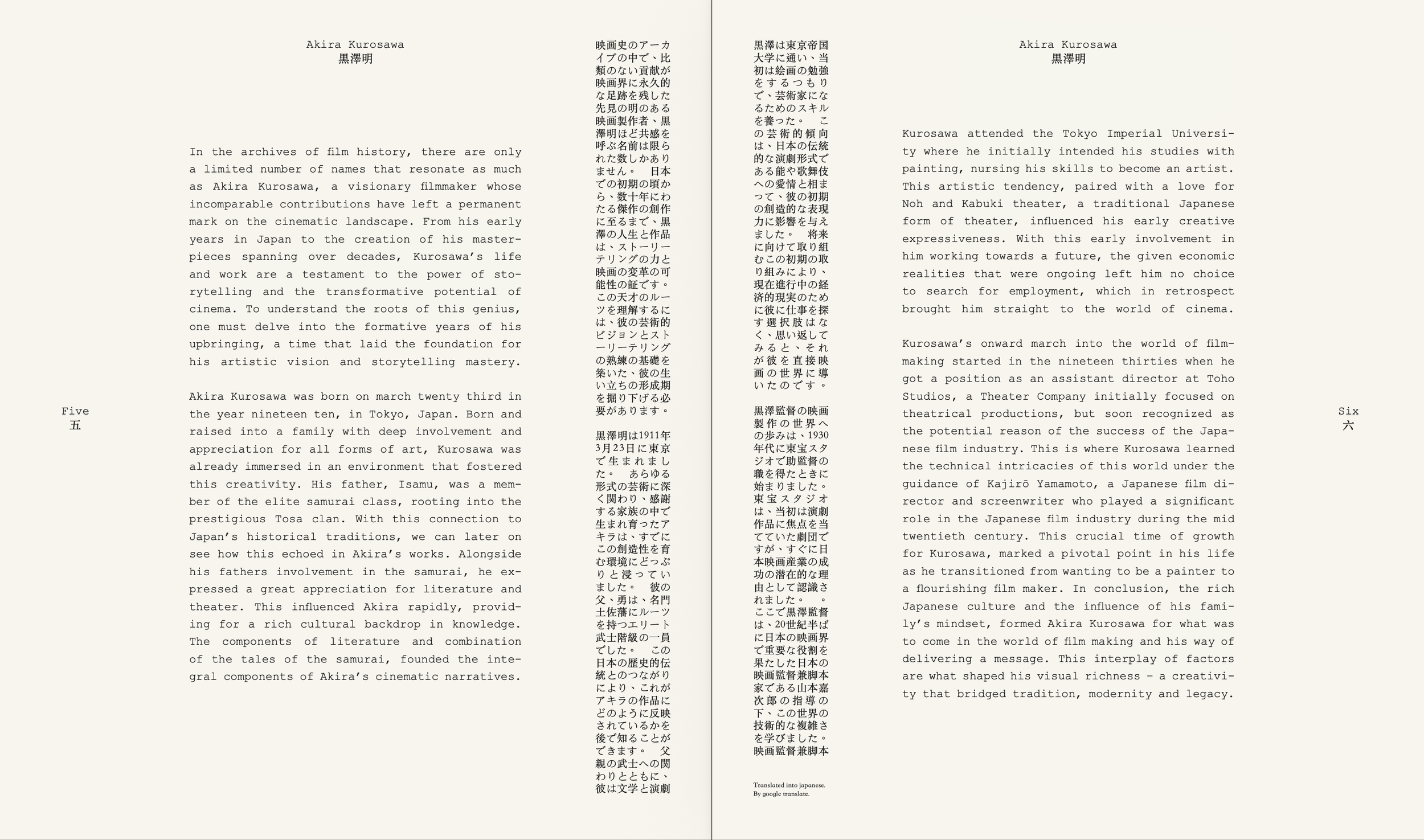
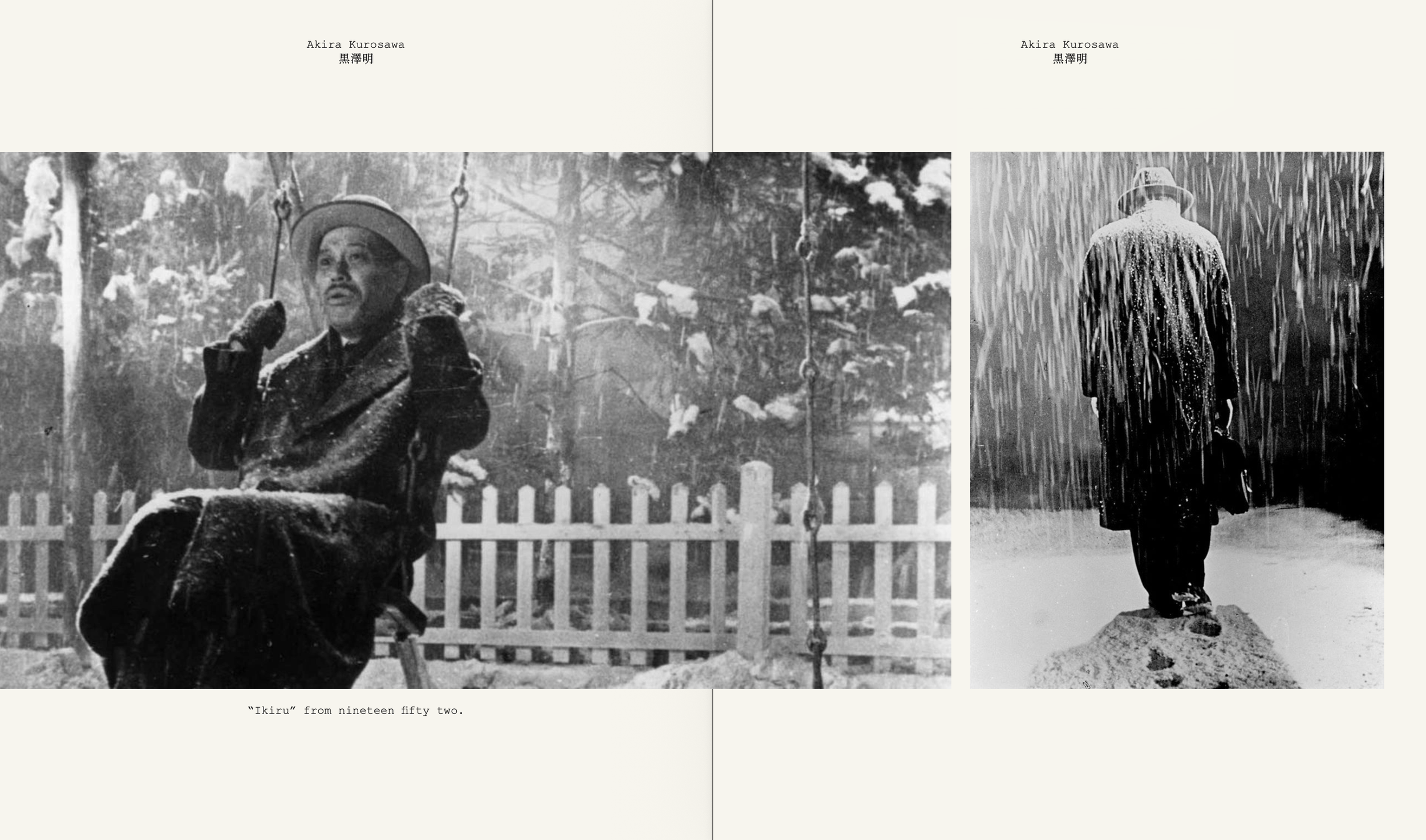
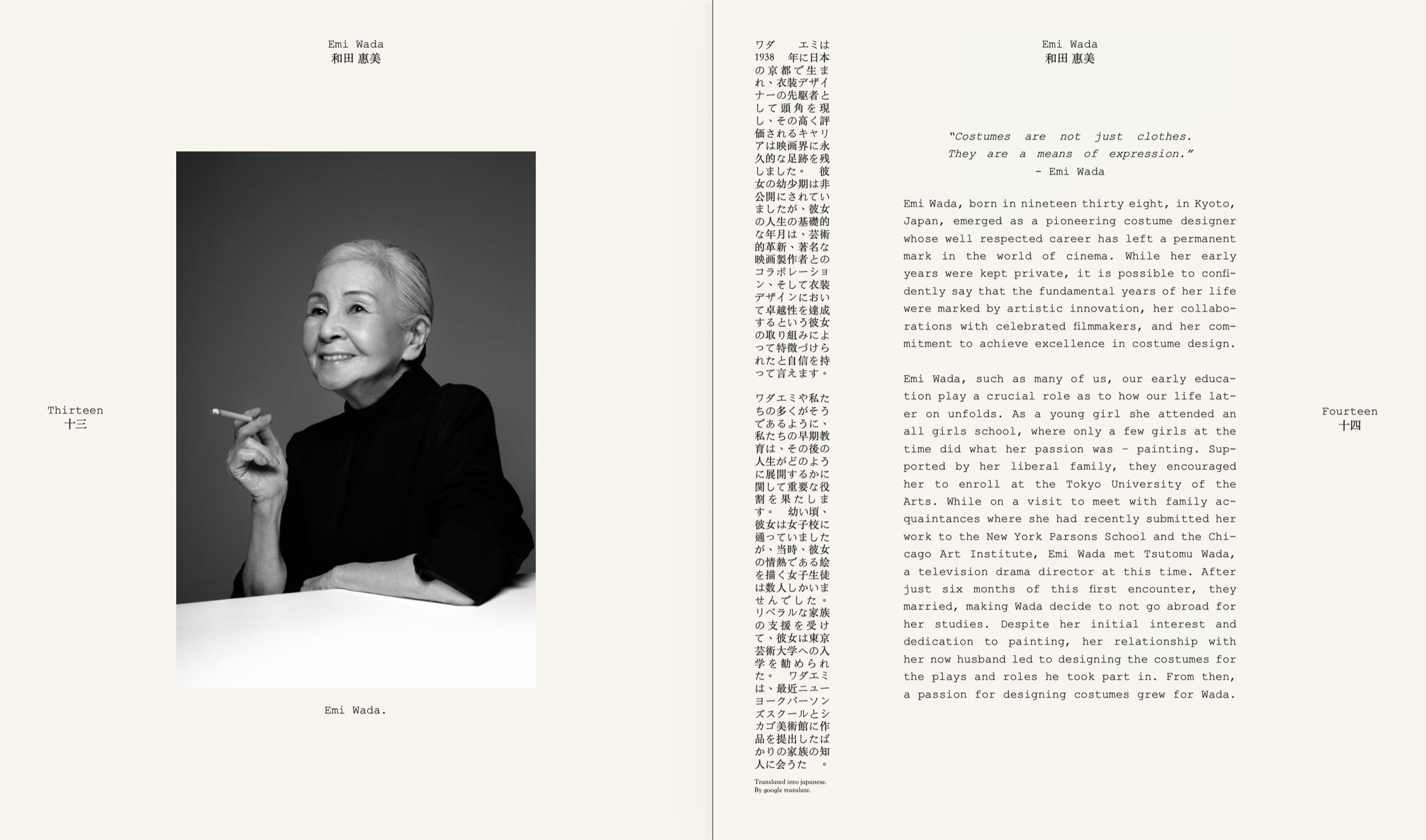
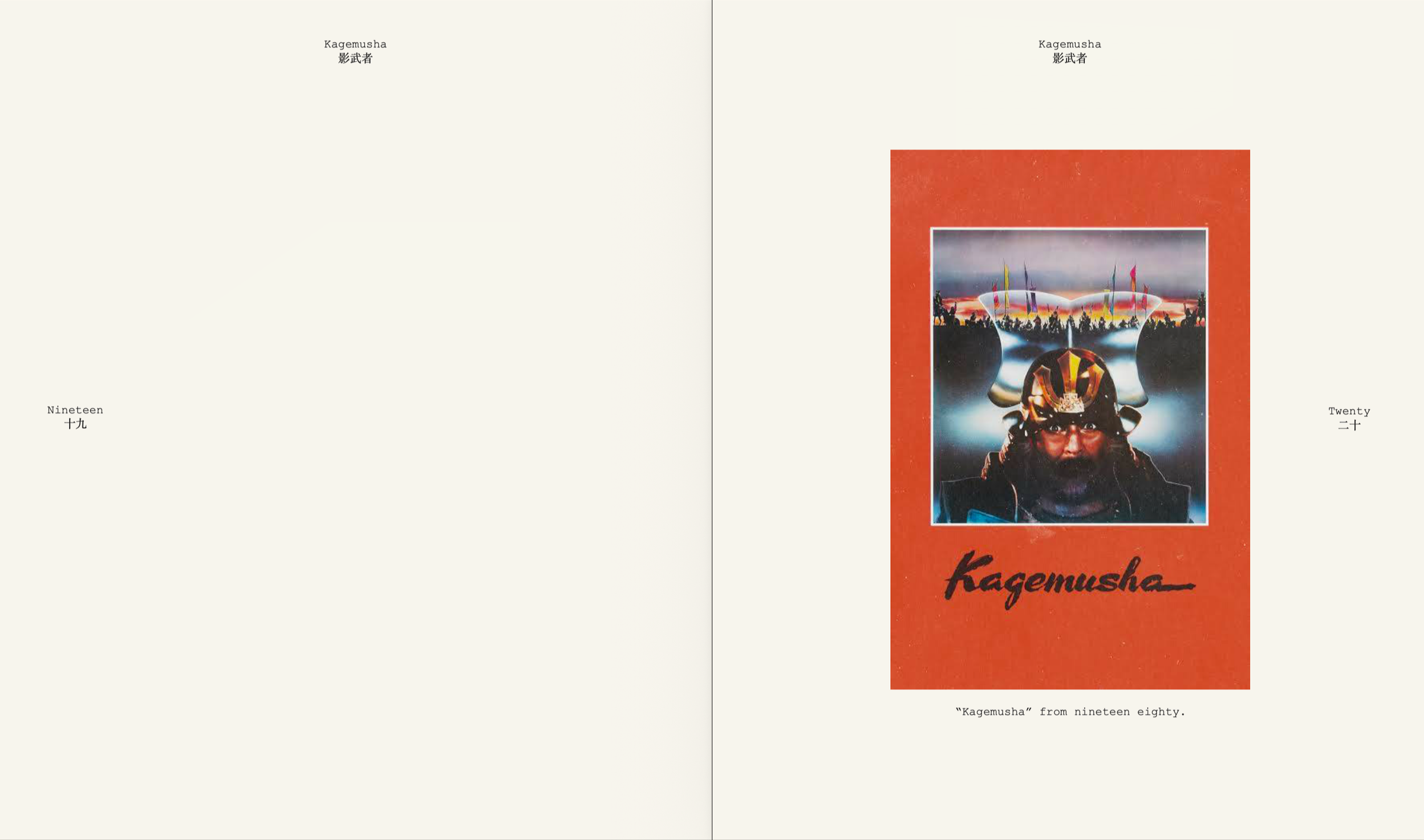

screenplay of akira kurosawa and emi wada‘s collaborations
a book discovering the works of talents in japanese film. beyond the celluloid reels exists a parallel of storytelling that excels what our eyes are used to the fascinating world of japanese film making. a book in the form of a screenplay introduces this world of film kind, focusing a lens of cinematic beauty highlighting artistry, ingenuity and a deep cultural reminder defiing the japanese filmmaking to our global cinematic tapestry in the beautiful works of akira kurosawa in collaboration with costume designer emi wada.art direction, graphic design and research by celina ludes